

Why is Vivienne Westwood considered revolutionary?
Vivienne Westwood stands as one of the most significant and transformative figures in the history of fashion. Her influence stretches beyond clothing design to encompass cultural, social, and political realms. Westwood’s journey from an upstart iconoclast in the London punk scene to a globally recognized designer is nothing short of revolutionary. Her visionary talent, combined with a relentless critique of societal norms, cemented her innovative legacy.
Origins of a Fashion Iconoclast
Vivienne Westwood made her debut in the fashion world during the 1970s, a period defined by political unrest, youthful rebellion, and the dynamic rise of punk rock. Her collaboration with Malcolm McLaren, who managed the Sex Pistols, led to the creation of the iconic store located at 430 King’s Road. Initially named Let It Rock, it later evolved into SEX, Seditionaries, and several other versions. This boutique was not merely a store; it served as a center for revolutionary counterculture that transformed streetwear, carrying a strong anti-establishment ethos.
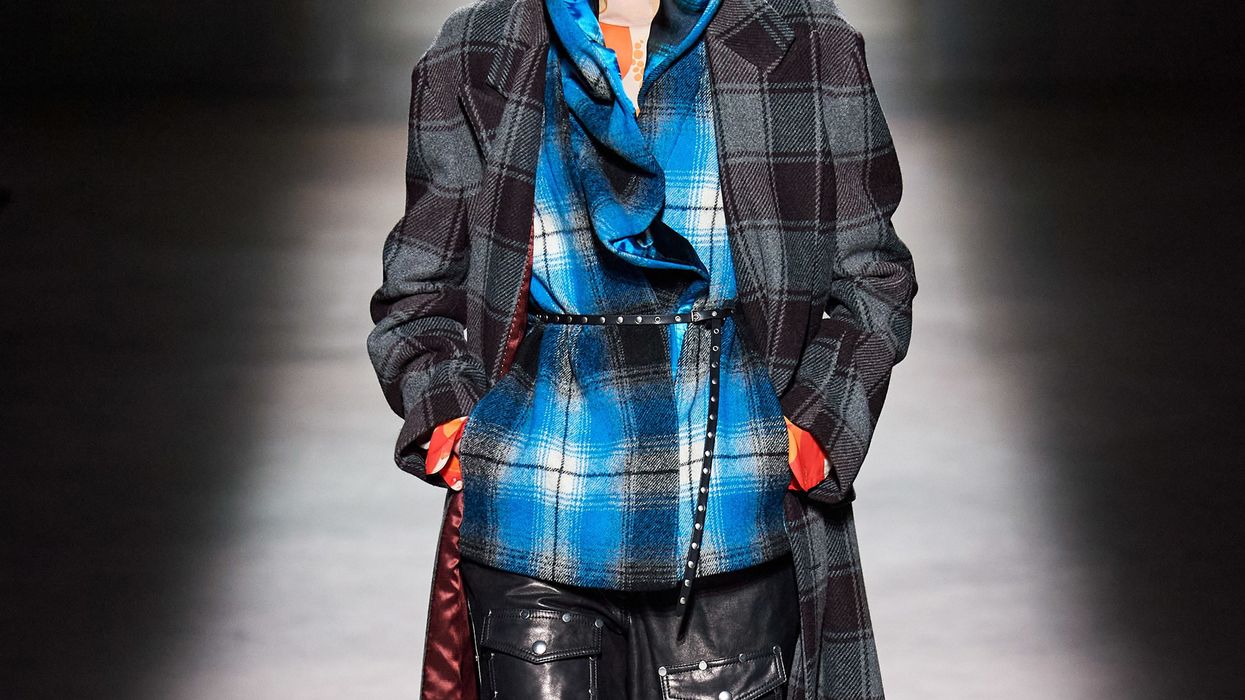
Westwood’s initial creations were intentionally provocative. She took authoritative symbols, like safety pins, tartan patterns, and bondage attire, and gave them a new twist. These decisions went beyond just looks—they represented acts of defiance, pushing society to face its beliefs and taboos. The outfits questioned traditional gender roles and embraced a type of personal expression that the mainstream typically disapproved of.
Pioneering Punk and Changing Aesthetics
Prior to Westwood, fashion often served to reinforce social order and respectability. Westwood, by contrast, employed clothing as a weapon against mediocrity and oppression. She pioneered the “destroy” look: ripped fabrics, slogans emblazoned on T-shirts, and mismatched patterns that visually assaulted the status quo. Her 1976 “Anarchy Shirt,” for example, combined iconography from fascist uniforms with sexually provocative imagery, compelling viewers to question dogma and authority.
This boldness positioned Westwood as the leading pioneer of punk fashion—a style eventually adopted by mainstream culture but never losing its rebellious essence. Youth around the world embraced her unconventional clothing, expressing their dissatisfaction through style. What distinguished her, though, was the thoughtfulness she embedded in her designs; each piece held historical, political, or philosophical significance.
Reshaping the Fashion Industry
Westwood’s revolution extended into the very fabric of fashion as an industry. She broke the mold of Parisian haute couture by transplanting the center of creative gravity to London. The collection she mounted in 1981, titled “Pirate,” signaled a new era of British fashion independence. Her unorthodox use of historical references—including eighteenth-century corsets, crinolines, kilts, and Harris Tweed—upended contemporary values about taste and propriety.
Through deconstruction and playful pastiche, Westwood educated a new generation on the language of clothing. She combined punk with romanticism, Victorian with contemporary, and rebellion with tradition, bulldozing the boundaries separating “good” and “bad” taste. Her irreverent references drew from art, philosophy, and satire—one example being her reinterpretation of François Boucher’s “Daphnis and Chloe” in the Spring/Summer 1990 collection.
Fashion houses worldwide took notice. Westwood’s influence is evident in the work of later designers such as John Galliano, Alexander McQueen, and Rei Kawakubo, who similarly defy categorization and expectation.
Political Activism and Sustainability
A defining aspect of Westwood’s revolution is her activism. She has leveraged her platform to champion environmental causes, anti-consumerist rhetoric, and human rights. Unlike many designers, Westwood is vocal about the need for systemic change in the fashion industry, particularly regarding its environmental impact. She has campaigned for reduced consumption and urges supporters to buy less but of higher quality—a message printed boldly on her own garments.
Westwood’s activism is closely linked to her artistic creations. She organizes attention-grabbing runway events, infusing the fashion industry’s extravagant display with impactful social commentaries, and works alongside groups such as Greenpeace. Her “Climate Revolution” initiative turned into a call to action at London Fashion Week, showcasing that fashion can be both aesthetically pleasing and a means for societal change.
Gender and Identity
Vivienne Westwood’s legacy also encompasses the shattering of gender norms. Her designs consistently defy traditional gender dichotomies, encouraging men to wear skirts, women to don power suits, and everyone to interrogate the lines between masculinity and femininity. Her provocative reimaginings of uniform—schoolboy blazers altered for women, military styles deconstructed for all—challenge fixed notions of sexuality and identity.
Using theatrical runway presentations and diverse casting, Westwood has advocated for body inclusion, featuring older models and individuals who broaden the conventional concept of beauty. Her work is fundamentally driven by a democratic spirit: regardless of body type, age, or gender, embracing one’s uniqueness can be a form of revolution.
Enduring Cultural Impact
The reach of Westwood’s work far exceeds the runway. Icons such as Madonna, Chrissie Hynde, and Rihanna have donned her creations, transmitting their disruptive spirit across music, film, and art. The iconic orb logo—an emblem fusing the coronation orb and the rings of Saturn—has become shorthand for radical chic and the crossing of temporal and stylistic boundaries.
Prominent museums like the Victoria and Albert Museum in London and the Metropolitan Museum of Art in New York have showcased Westwood’s creations in notable exhibitions, highlighting their dual role as art and historical artifacts. Scholarly research examines her work through the perspectives of feminist theory, cultural studies, and critical design.
Synthesis
Vivienne Westwood’s groundbreaking impact originates from her constant challenging of the status quo and her unwavering look ahead. By using fashion to express opinions, engaging boldly in social causes, and aiming to reshape the standards of style, she transformed the core of the fashion world and motivated innovators in various fields. Her lasting influence extends beyond her creations, encouraging others to question the norm—and supporting the idea that transformation in any sector starts with rejecting the boundaries of what is considered achievable.