

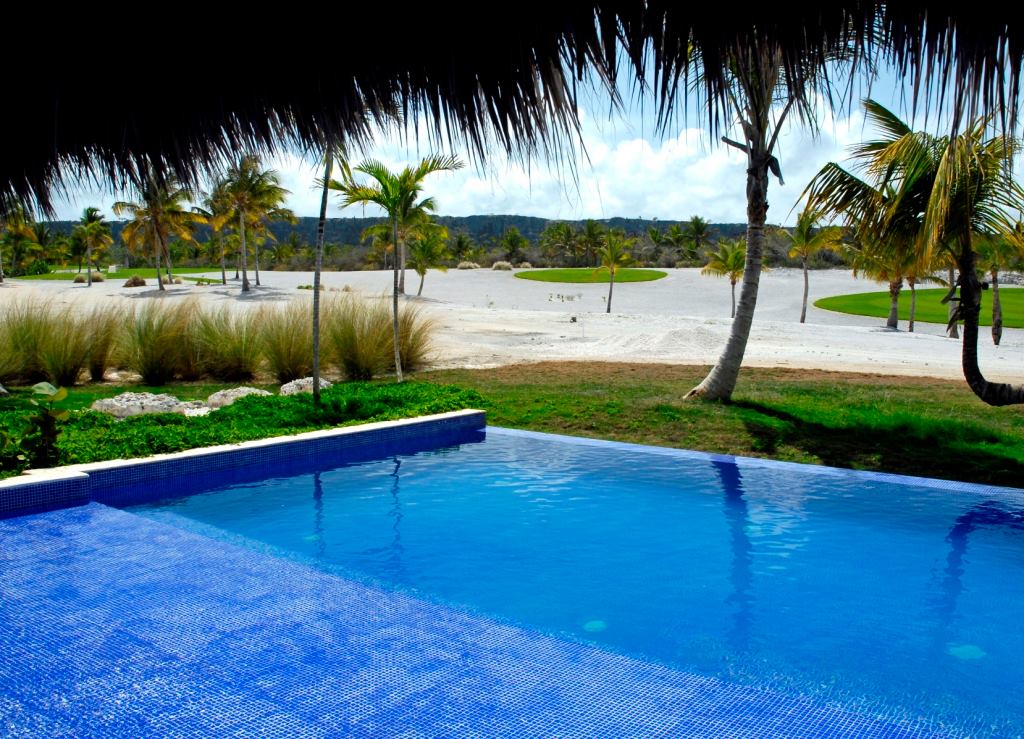
Buying a pre-construction property in Cap Cana can be an attractive option for those looking to enter the Dominican Republic’s real estate market. Early-stage developments often offer competitive prices, flexible payment plans, and a wider selection of units. However, purchasing a property before construction is complete also requires careful consideration of delivery timelines, legal documentation, developer reliability, and the protection of invested funds.
Inversiones AIDES, backed by more than two decades of expertise in the Cap Cana real estate sector and a track record of assisting upwards of 3,000 local and global clients, thoroughly understands the key elements buyers must weigh when assessing such prospects. Grasping the mechanics of pre-construction acquisitions, the nature of existing safeguards, and the paperwork requiring careful scrutiny streamlines the process of determining if a project aligns with precise investment goals.
What is the process of purchasing a pre-construction property?
A pre-construction purchase involves acquiring a property while the development is still in the planning or construction phase. The buyer signs a purchase agreement, pays an initial deposit, and completes the remaining payments according to the schedule established by the developer.
Since the building is not yet finished, the property cannot be inspected in its final condition. Instead, the purchase decision is based on architectural plans, technical specifications, contractual commitments, and the developer’s previous projects.
| Aspect | Pre-construction | Finished property |
| Price | Initial cost, which typically increases through various phases | Current market value |
| Payment | Initial deposit plus scheduled installments, with the remainder due upon handover | Lump-sum payment or mortgage acquisition at settlement |
| Choice of unit | Extensive selection covering levels, layouts, and outlooks | Restricted strictly to remaining stock |
| Inspection | Based entirely on architectural blueprints and visual concepts | Conducted directly inside the physical space |
| Use or rental | Available only after completion, sometimes months or years down the line | Instantaneous |
| Main risk | Potential construction setbacks and alterations to the initial design | Physical deterioration and concealed flaws |
The primary distinction lies in the waiting duration. Although purchasing early can present a wider array of choices and advantageous pricing, the purchaser’s funds stay tied up until the real estate is handed over.
What advantages do pre-construction properties offer in Cap Cana?
One of the main attractions of buying during the initial stages of a development is the opportunity to select a property before most of the inventory has been sold. Projects such as Elite Cap Cana and Andara Cap Cana illustrate the variety of options available in the local pre-sale market, including different layouts, locations, and estimated delivery dates.
Other potential advantages include:
- Early-stage pricing: Initial sales phases can present reduced rates compared to later releases, while future value growth remains unpromised.
- Flexible payment structures: Builders frequently break down costs into a reservation fee, an initial down payment, construction-period installments, and a closing balance at handover.
- Wider property selection: First-wave purchasers typically enjoy a broader array of choices regarding floor levels, directional aspects, scenery, and floor plans.
- Potential tax advantages: Projects authorized through the CONFOTUR framework might benefit from specific tax relief, subject to their official status and relevant criteria.
These advantages should be considered alongside the project’s completion timeline, contractual conditions, and overall financial viability.
What hazards must purchasers weigh prior to making an investment?
Unlike a finished asset, an off-plan property cannot be assessed via a physical walkthrough prior to acquisition. This generates multiple hazards that ought to be tackled right from the start.
| Risk | What can happen | How to reduce it |
| Construction delays | The delivery date moves because of permits, materials or contractors | Estimated date, allowed extensions and penalties in writing in the contract |
| Changes to the project | Adjustments to layouts, materials, common areas or amenities | Technical annex that fixes what is committed and what may change |
| Developer’s financial difficulties | Construction slows down or stops | Verifiable track record, a trust and rules for refunding contributions |
| Gap between rendering and delivery | Different areas, finishes or equipment from those shown | Signed delivery specifications; renderings are not a contract |
| Tied-up capital | Your money stays committed for years | Calculate the opportunity cost and market scenarios at delivery |
A projected completion date should not be treated as an unconditional guarantee. Similarly, promotional images and architectural renderings should be supported by technical documents describing the property’s actual characteristics and the developer’s contractual obligations.
What legal guarantees protect buyers in the Dominican Republic?
Prior to acquiring an off-plan property, three key components warrant careful scrutiny: the real estate trust, the building permit, and the legal standing of the land.
Real estate trust (fideicomiso). Law 189-11 governs property trusts within the Dominican Republic. Through this framework, development holdings form an autonomous fund, kept entirely distinct from the personal belongings of both the builder and the fiduciary. Still, establishing a trust does not inherently ensure project delivery or financial gain. It is equally important to examine the fiduciary agent, the contract terms, and the mechanisms for retrieving invested funds.
Construction permit. The Ministry of Housing, Habitat and Buildings (MIVHED) grants building permits following a thorough evaluation of all relevant legal and technical criteria. Purchasers ought to confirm whether a development holds its final permit or merely a preliminary works clearance, given that these documents are not interchangeable.
Legal status of the land. The Real Estate Registry issues a certificate confirming registered ownership and any existing liens or encumbrances. Reviewing this document helps verify whether the property possesses a clear legal standing prior to committing any funds.
Another key factor worth noting is CONFOTUR. Pursuant to Law 158-01, approved tourism projects can benefit from tax relief, covering areas such as property transfer fees and the Real Estate Wealth Tax (IPI). Depending on the specific requirements, these exemptions may remain in effect for as long as 15 years. Buyers are strongly advised to confirm both the project’s official status and their own qualification beforehand to ensure these advantages apply.
What paperwork ought to be examined prior to signing?
Before making a reservation or signing a purchase agreement, the documentation should be examined by an independent real estate lawyer.
| Document | What to confirm |
| Developer’s legal name and delivered projects | That it has completed comparable works on time |
| Certificate of legal status of the land | Ownership and absence of liens |
| MIVHED construction license | Number, date and that it covers the whole project |
| Purchase agreement | Price, payment schedule, delivery date, extensions, penalties and cancellation |
| Trust agreement | Who the trustee is and how contributions are refunded |
| Delivery specifications | Areas, finishes, equipment, parking and amenities |
| CONFOTUR resolution | That the classification is in force and applies to the first buyer |
| Later costs | Legal fees, taxes, maintenance and community fees |
Checking these papers assists in spotting potential discrepancies and outlining the duties of all parties involved ahead of the transaction progressing.
How is the profitability of a Cap Cana presale evaluated?
A competitive purchase price does not necessarily translate into a profitable investment. The total acquisition cost should include the property price, legal fees, applicable taxes, maintenance expenses, and furnishing costs.
When it comes to rental investments, anticipated earnings ought to be measured against realistic occupancy levels, seasonal demand fluctuations, property management fees, and operational costs. Positioning matters just as much; closeness to the beach, the marina, and local golf courses can boost rental attractiveness, yet these perks must constantly be weighed against prevailing market realities and anticipated yields.
The investment timeline also deserves attention. A property scheduled for delivery in two years represents capital committed to an asset that cannot generate rental income during construction.
Does investing in a pre-construction real estate asset in Cap Cana make sense?
Purchasing during the pre-construction phase can prove to be a rewarding alternative provided the project features dependable paperwork, a credible builder, valid construction licenses, and transparent legal safeguards. Furthermore, this choice ought to align with the purchaser’s financial plan, investment timeline, and ultimate purpose for the real estate asset.
For those exploring real estate opportunities in this destination, Inversiones AIDES provides information and guidance on available properties, development projects, and investment options in Cap Cana. Comparing locations, reviewing project characteristics, and understanding the legal and financial conditions of each purchase are essential steps toward making a well-informed real estate investment.