

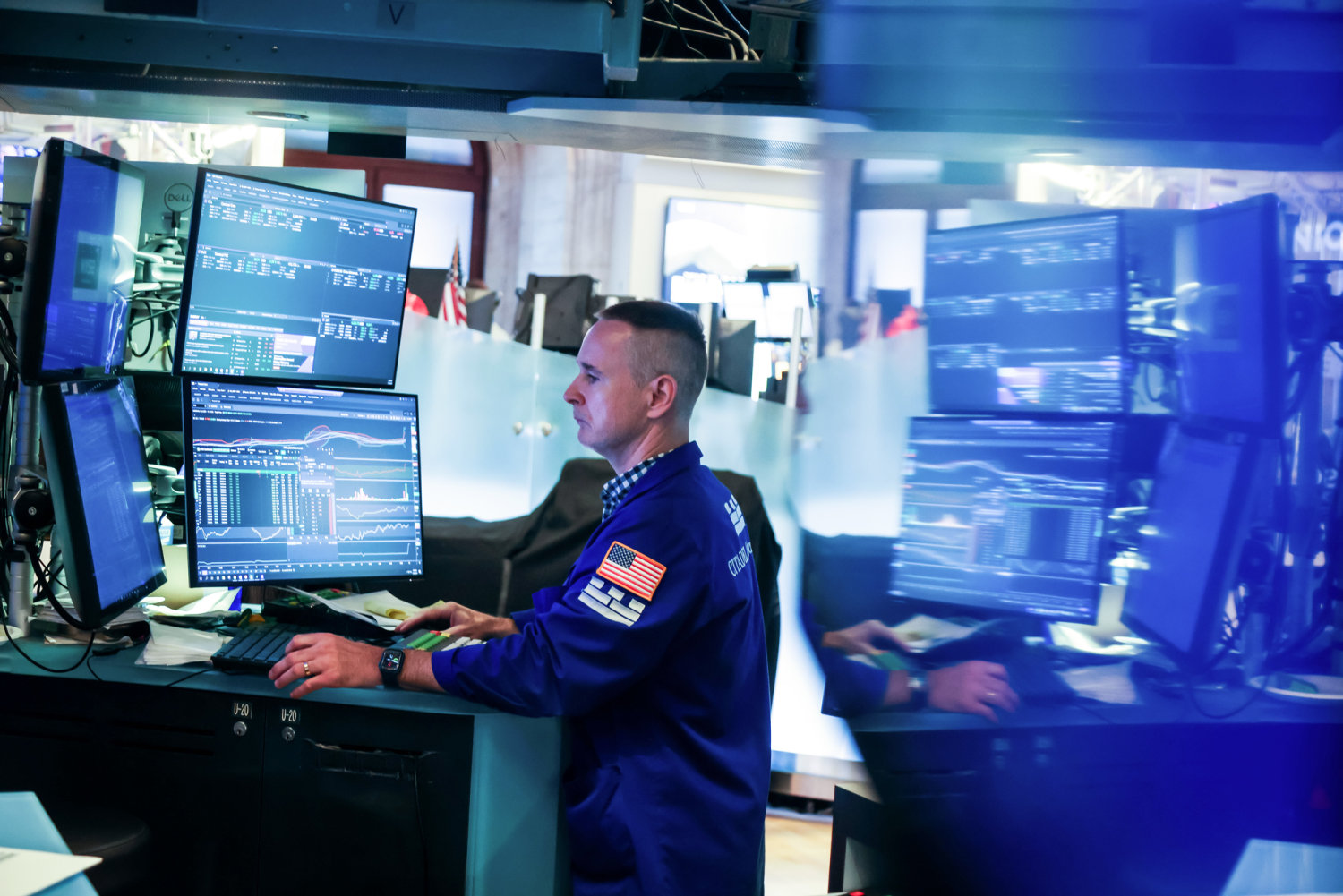
The U.S. stock market marked a significant milestone as the S&P 500 index reached a record high close, driven largely by renewed confidence in international trade negotiations. Investor sentiment appeared to shift in a positive direction, bolstering major indices across the board and signaling a potentially stronger economic outlook as barriers to trade begin to ease.
This surge came as markets responded favorably to signs of progress in several key global trade discussions. Although the specifics of many of these negotiations remain under wraps, the broader sense of stability and movement toward compromise has lifted investor confidence and injected fresh energy into the markets.
The rise, driven in part by advancements in the tech and financial industries, mirrors widespread hopes that better trade partnerships might lead to enhanced corporate profits, increased efficiency, and greater access to international markets for American firms. The positive sentiment linked to these possible results seems to have surpassed ongoing worries about inflation and monetary policy.
Trade policy has remained a dominant theme in global financial markets over the past several years, with shifting alliances, tariffs, and negotiations creating both volatility and opportunity. Recent developments indicate that long-standing tensions may be softening, at least temporarily, which could restore a sense of predictability for multinational corporations and investors.
Numerous players in the market regard these commercial advancements as essential steps for reestablishing supply chain reliability, stabilizing costs, and fostering growth-friendly conditions. As businesses manage the difficulties of a global economy after the pandemic, lessened obstructions in trade regulations might provide a badly needed boost.
On the day the S&P 500 closed at its new peak, several sectors outperformed expectations. Tech stocks, particularly those in semiconductors and cloud computing, saw notable gains, reflecting optimism about continued demand and the potential easing of restrictions on cross-border sales. Financial institutions also rallied, benefiting from expectations of increased global business activity and capital flows.
The industrial and consumer discretionary sectors also played a role in the upturn, indicating strong investor belief in consumer expenditures and corporate investments. These factors are frequently regarded as initial signals of economic strength and positive growth.
On the other hand, sectors like utilities and consumer staples, which are typically considered defensive, experienced less robust performance. This suggests a change in investor preference towards stocks that are focused on growth.
The S&P 500’s record close is not occurring in a vacuum. Global markets have been watching trade developments closely, and many international indices also experienced gains amid the optimism. Europe and Asia reported strong performances in response to similar trade sentiments, reinforcing the interconnected nature of modern financial markets.
A globally coordinated improvement in trade could enhance investor trust across regions and lead to broader global economic growth, particularly in emerging markets that are heavily reliant on exports.
Although the rally spurred by trade has drawn focus, the Federal Reserve’s position on interest rates and inflation continues to be an important factor. Investors are keeping a close watch on inflation figures and statements from the central bank to predict upcoming monetary policy choices.
Any surprise moves by the Fed or unexpected shifts in inflation figures could still impact market momentum. However, for now, the dominant narrative appears to be one of cautious optimism, as trade developments offer a counterweight to monetary tightening concerns.
Another factor supporting the S&P 500’s upward trajectory is stronger-than-expected corporate earnings in certain sectors. Companies that have successfully navigated supply chain constraints and adapted to shifting consumer behavior continue to post resilient profits. This, in turn, supports higher valuations and investor willingness to engage in equity markets.
Analysts believe that if trade developments continue to unfold positively, more companies could benefit from smoother import-export processes, reduced tariffs, and increased access to international customers. This would further support earnings growth in the coming quarters.
Despite the positive outlook, risks remain. Global trade agreements are complex, and negotiations can falter. A breakdown in talks or the emergence of new tariffs could quickly reverse recent gains. Additionally, geopolitical tensions, energy market fluctuations, and inflationary pressures still pose challenges to sustained growth.
Investors remain cautious about the potential for market adjustments after significant upswings, particularly in a setting where economic indicators present a mixed picture. Although the mood is optimistic, those involved in the market understand that sentiment can rapidly change if external factors shift.
At present, the atmosphere in the stock markets seems optimistic. The S&P 500’s record high suggests that investors are confident the peak of trade issues might be behind us, and that better economic collaboration could pave the way for fresh growth.
If the present course persists, it might signify a pivotal moment for both markets and the worldwide economy. A decrease in trade barriers, coupled with favorable corporate earnings and diminishing inflationary pressures, could foster a setting conducive to growth.
However, sustained progress will depend on the ability of global leaders to maintain momentum in negotiations and follow through with policy changes that support long-term trade stability.
The S&P 500’s record high close signals renewed confidence in global trade and economic growth. While challenges persist, the market’s positive reaction suggests that investors are encouraged by the prospect of reduced trade tensions and stronger international cooperation. Continued progress in this area could help support sustained market gains and set the stage for a more robust global recovery.
As always, investors will be closely watching for updates, both on the trade front and in economic data releases, to gauge the durability of this rally. For now, the historic high stands as a marker of hope that global collaboration may once again become a driver of market resilience and prosperity.