

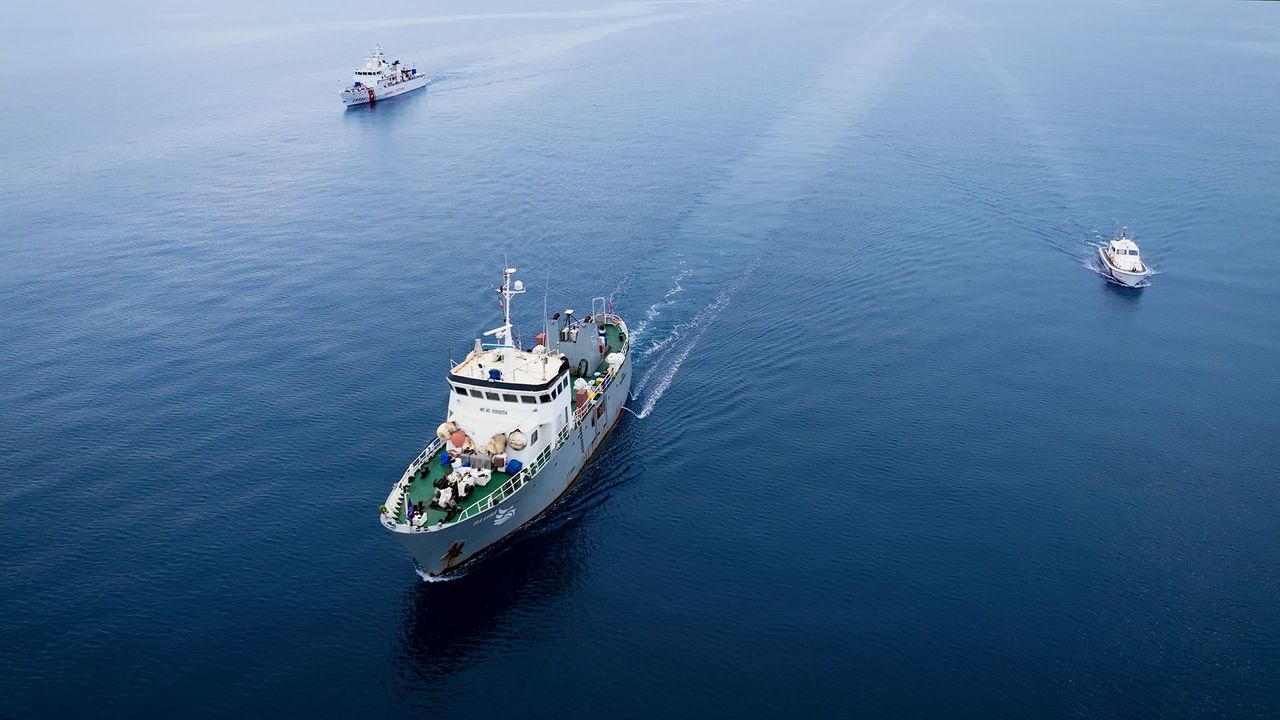
In the clear, azure waters of the Mediterranean Sea along Italy’s shoreline, an unseen danger lurks just below the waves. Fishermen, environmental advocates, and officials are becoming more concerned about the rising number of illicit fishing traps—some extending for kilometers and remaining unnoticed until damage is done. These unauthorized and often hazardously built devices pose significant threats not just to marine ecosystems but also to legitimate fishing activities, maritime safety, and global conservation initiatives.
Described by local fishermen as “invisible dangers,” these traps are likened to marine minefields due to their hazardous and entangling design. Made from plastic, mesh, rope, and concrete, many of these devices are dropped deep into the sea and anchored to the seabed. They’re rarely marked properly, making them nearly impossible to spot from the surface. This allows them to operate for long periods undisturbed, indiscriminately catching fish, damaging delicate habitats, and even endangering boats and divers.
The Italian Mediterranean, long known for its biodiversity and historic fishing culture, is increasingly falling victim to this shadow economy of unlicensed and unmonitored fishing. The traps—illegal under both Italian and European Union law—are part of a larger problem of overexploitation in one of the world’s most environmentally stressed seas. They primarily target high-value species such as sea bream, grouper, and lobster, all of which are already under pressure due to declining populations and climate change. The widespread use of illegal gear only adds to this ecological strain.
Based on assessments from maritime authorities and environmental organizations, the extent of the issue is overwhelming. It is thought that thousands of these traps are operational in the coastal waters of Italy at any moment, particularly within well-known fishing routes and protected marine areas. Extracting them is expensive, labor-intensive, and risky. Numerous traps are crafted to be challenging to recover—some are even rigged with traps to hinder their removal. For the officials responsible for eliminating them, every mission necessitates substantial planning and resources, frequently involving assistance from divers and sea patrols.
For legal fishers, the consequences are both economic and environmental. Licensed fishing crews often report damaged nets, reduced catches, and unfair competition from poachers who use these traps to harvest large quantities of fish without regard for size, season, or quota. In an industry already struggling with rising fuel costs and shrinking margins, these illicit practices further erode livelihoods and trust in regulatory enforcement.
The effects extend beyond the fishing industry. Conservationists warn that illegal fish traps threaten efforts to restore balance in marine ecosystems already weakened by years of human pressure. Protected areas, set up to encourage species recovery and habitat regeneration, are not immune. Traps are often found inside no-fishing zones, undermining years of progress in biodiversity protection and placing endangered species at further risk.
These devices are particularly harmful because they do not discriminate. In addition to target species, traps often catch sea turtles, dolphins, and other non-commercial species, many of which die before the traps are found. This unintended “bycatch” contributes to the broader crisis of marine biodiversity loss in the Mediterranean, one of the most overfished regions in the world.
Despite legal frameworks meant to prevent such practices, enforcement remains a major challenge. Italy’s vast coastline, combined with limited maritime surveillance resources, makes it difficult to monitor and intercept illegal activity. Criminal networks often use the cover of night and GPS tools to deploy their traps in hard-to-reach or protected areas. While some arrests have been made, the clandestine nature of the practice means many offenders operate with relative impunity.
Advances in technology could provide a glimmer of hope. Government bodies and environmental groups are now employing drones, sonar technology, and satellite monitoring to locate fish traps and pinpoint areas of unlawful activities. Platforms for citizen reporting have also been set up, enabling local fishermen and divers to notify authorities if they come across dubious equipment. These initiatives are enhancing the effectiveness of detection, yet the vast number of traps and the rapid pace at which they can be set up continue to pose significant challenges.
The Italian government, collaborating with EU marine policy entities, has committed to escalating efforts against unlawful fishing activities. Harsher penalties, seizure of vessels, and unified monitoring schemes are integral to a comprehensive plan aiming to safeguard marine assets and promote sustainable ocean use. Nonetheless, achieving lasting results will rely on ongoing support for enforcement and fostering international partnerships, particularly considering the cross-border characteristics of Mediterranean waters.
Awareness among the public is also crucial. A significant number of these traps are traded and shared via informal networks, and some fish obtained illegally might be sold in markets and eateries without the customers’ knowledge. Enhancing the traceability within seafood supply chains is an essential focus to make sure that the fish being consumed is captured lawfully and sustainably.
There’s also growing support for involving local fishing communities in the fight against illegal practices. Community-based monitoring programs, better access to licenses, and education campaigns can empower small-scale fishers to become stewards of marine resources. By giving them a greater stake in sustainable fishing and conservation, authorities hope to reduce the incentive for illegal behavior and promote long-term ecosystem health.
Ultimately, the proliferation of illegal fish traps in Italy’s Mediterranean waters is not just an environmental issue—it’s a reflection of broader challenges around regulation, enforcement, and sustainable development. The sea, once a source of identity and abundance, is becoming increasingly contested, and the need for action is urgent.
If ignored, the silent spread of illegal gear threatens not only the future of fishing in the region but the overall health of Mediterranean ecosystems. Addressing this hidden crisis requires a coordinated effort across government agencies, local communities, and international partners. Only then can the waters of Italy’s coasts be freed from this invisible web—and restored to a more balanced, thriving state.