
Month: January 2026

How a distant conflict can raise the price of everyday goods

Global Unrest: The Hidden Cost in Your Daily Goods

A war or political conflict thousands of miles away can raise the price of everyday goods at home through a chain of economic and logistical links. Modern supply chains are tightly interwoven, and essential inputs such as energy, metals, food, and shipping capacity are concentrated in a relatively small number of producing regions. When conflict disrupts production, trade flows, insurance, or finance in those regions, the cost of inputs rises and producers pass those costs on to consumers.Primary transmission pathwaysCommodity supply shocks — Conflicts that interrupt exports of oil, gas, wheat, fertilizers, or metals directly reduce global supply and push…
Read More
hanged assorted clothes

Fashion and Culture: An Intertwined Relationship

The world of fashion is a dynamic tapestry woven from various cultural threads, reflecting the diverse experiences, beliefs, and traditions of societies worldwide. It is a realm where cultural influences manifest through styles, designs, and trends, showcasing the interconnectedness of global communities.The Historical BackgroundAcross the ages, cultural forces have significantly molded fashion trends, with Renaissance Europe offering a clear example: the era’s styles were shaped by the lavish lives of the aristocracy, whose garments of silk, velvet, and other rich materials projected their prestige and affluence. The period’s detailed patterns and ornate needlework stood as enduring evidence of the careful,…

Read More
Why water is increasingly seen as a geopolitical risk

Water as a Strategic Resource: Geopolitical Implications

Freshwater is essential for life, food production, energy generation, industry, and ecosystem services. Yet the global distribution of accessible freshwater is limited and uneven. Only about 2.5% of the planet’s water is freshwater, and a very small fraction of that—roughly 0.3% of total global water—is readily accessible on the surface for human use. At the same time, population growth, urbanization, changing diets, and economic development are driving rising demand. Climate change, shrinking glaciers, groundwater depletion, pollution, and deteriorating infrastructure are reducing supply reliability. These forces combine to elevate water from a local resource management issue to a source of transboundary…
Read More
Chile: corporate CSR advancing transparency and community participation in local projects

Chile: Advancing Transparency & Participation through Corporate CSR

Chile’s economic model has historically relied on extractive industries, agriculture, fishing, and export‑oriented manufacturing, sectors that have powered growth while concentrating environmental and social pressures in particular areas. Consequently, corporate social responsibility (CSR) in Chile is not a peripheral marketing tool but a strategic requirement that influences social license, investor confidence, and local development. In recent years, rising public expectations for transparency and genuine community involvement in territorial initiatives have pushed CSR to evolve from simple philanthropy toward governance, disclosure, and collaborative design.Regulatory and institutional forces promoting greater transparencySeveral public factors push companies toward greater openness and community engagement:Access-to-information and…
Read More
Why energy keeps getting used as a geopolitical tool

Energy’s Unwavering Geopolitical Significance

Energy is more than fuel and electricity: it underpins industry, transport, household welfare, and military capability. That centrality makes energy an unusually effective lever in international politics. States, companies, and nonstate actors use supply, price, infrastructure, regulation, and technological control to advance strategic aims. The practice persists because of four enduring features: uneven resource distribution, long-lived infrastructure and contracts, the immediacy of economic pain when supplies are constrained, and the broad knock-on effects on alliances and domestic politics.Core mechanisms of energy geopoliticsSupply manipulation: producers may restrict or reroute exports to engineer shortages or penalize partners, doing so openly through quotas…
Read More
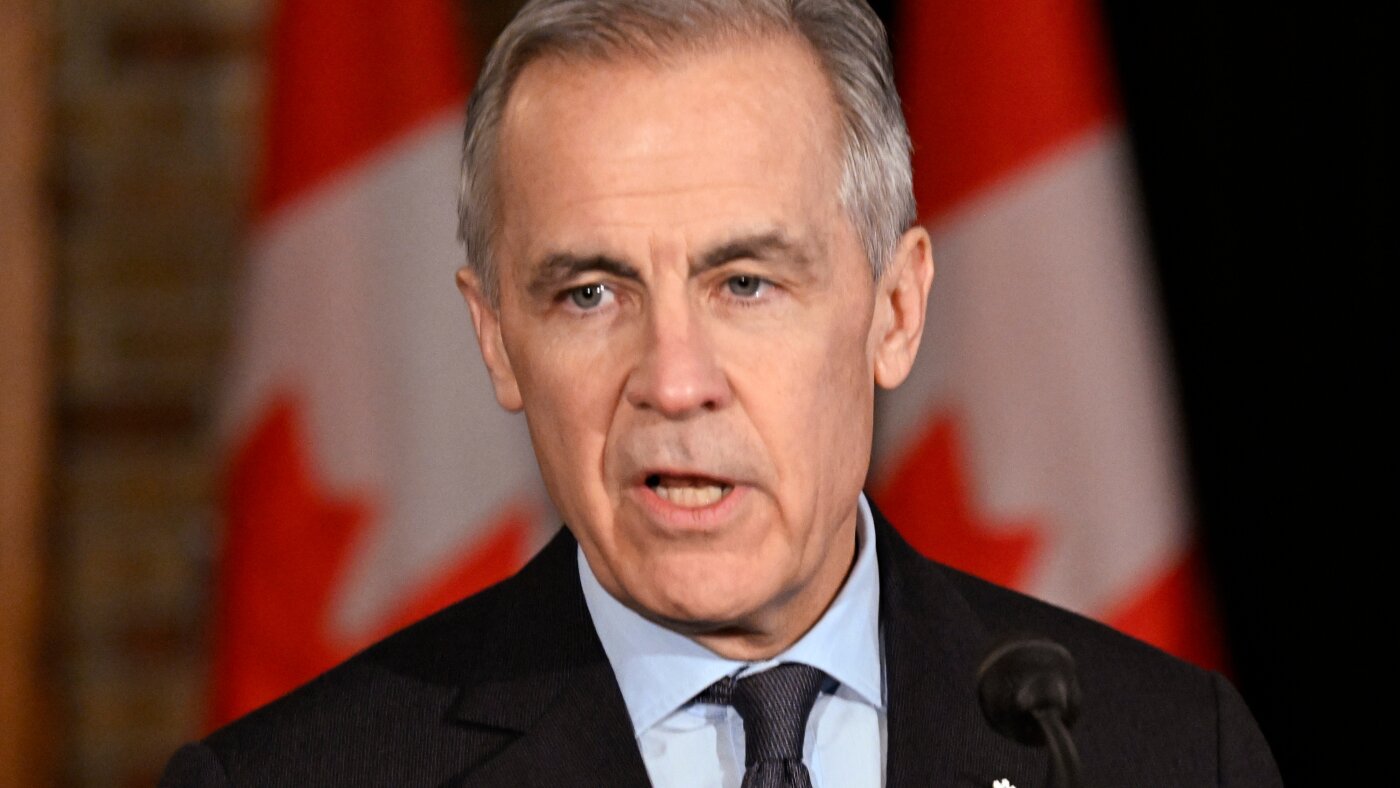
Trump threatens new 100% tariffs on Canada over possible trade deal with China

100% Tariffs: Trump’s Threat to Canada

Tensions between the United States and Canada intensified this week after President Donald Trump cautioned that he might levy significant tariffs on Canadian imports should the nation deepen its trade relationship with China, a statement that represents the latest surge in ongoing commercial frictions between the two neighbors.President Trump’s latest remarks have stirred doubts about the stability of trade relations across North America. Posting on his Truth Social platform, Trump claimed that Canada could face serious economic fallout if it permits Chinese products to enter the U.S. through Canadian channels. He cautioned that any trade pact between Canada and China…
Read More