

Tensions between the United States and Canada intensified this week after President Donald Trump cautioned that he might levy significant tariffs on Canadian imports should the nation deepen its trade relationship with China, a statement that represents the latest surge in ongoing commercial frictions between the two neighbors.
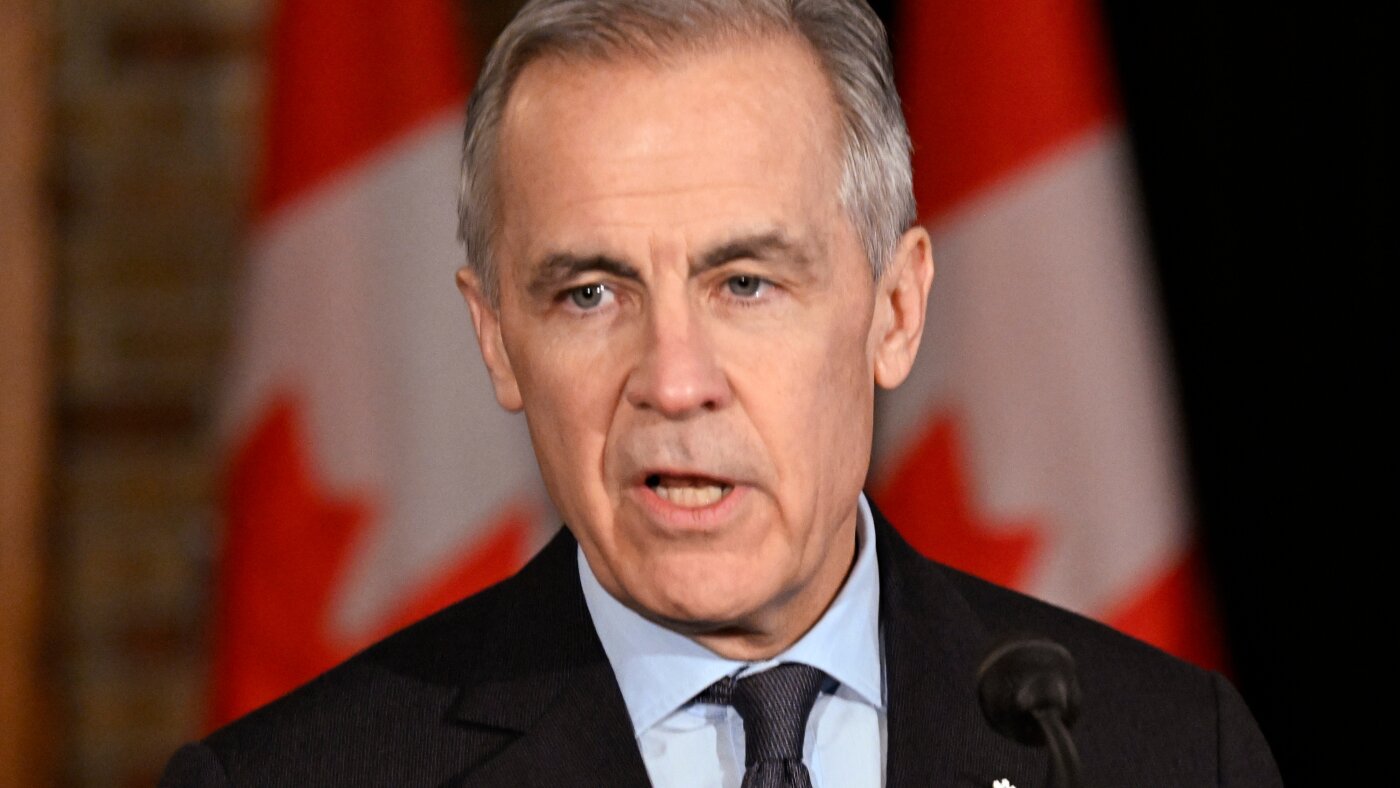
President Trump’s latest remarks have stirred doubts about the stability of trade relations across North America. Posting on his Truth Social platform, Trump claimed that Canada could face serious economic fallout if it permits Chinese products to enter the U.S. through Canadian channels. He cautioned that any trade pact between Canada and China might “completely devour” Canadian enterprises and unsettle the nation’s social and economic structure. His comments carried a combative edge, as he derisively addressed Canadian Prime Minister Mark Carney as “governor,” a label he had previously used for former Prime Minister Justin Trudeau.
This hardline stance marks a clear shift from comments made in January, when Trump signaled a more favorable view of potential trade agreements between Canada and China. On January 16, he told reporters that reaching an accord with China would be beneficial. Yet his most recent posts convey mounting frustration and an intent to exert greater influence over Canada’s trade strategy.
Rising trade frictions
Recent tensions stem from new interactions between Canada and China. Carney held talks with Chinese President Xi Jinping to forge a strategic partnership designed to broaden economic collaboration. Under this arrangement, tariffs on Chinese electric vehicles shipped to Canada would be relaxed, while annual import limits would permit up to 49,000 EVs. China, in turn, is preparing to scale back duties on Canadian agricultural goods such as canola, lobster, and peas later this year.
While Trump’s threat cites “100% tariffs,” the specifics remain uncertain, as the White House has yet to outline the conditions that would activate such a policy, creating speculation and unease among both businesses and policymakers. Canada’s finance minister, Dominic LeBlanc, noted that the country is not seeking a free trade agreement with China, describing the latest conversations as efforts to address particular tariff concerns rather than steps toward broader economic integration. LeBlanc also highlighted the enduring partnership between Canada and the United States, pointing to their continued collaboration on economic and security fronts.
Observers report that Trump’s remarks may be seen as a response to Canada’s rising prominence on the international stage. During the World Economic Forum in Davos, Carney cautioned that economic ties and supply chain reliance are increasingly exploited as strategic pressure by stronger countries. He described these shifts as a possible “rupture” in global commerce and encouraged middle powers to work together to safeguard their positions. Several analysts believe Trump’s comments aim to offset Carney’s prominent presence at Davos after the U.S. president’s failed attempt to secure Greenland-related tariff agreements.
Ambiguous outcomes for North American commerce
If implemented, 100% tariffs on Canadian imports could reshape both economies in notable ways, as earlier Trump-era duties on steel, aluminum, autos, lumber, and energy products had already placed pressure on bilateral trade and intensified Canada’s economic difficulties; by October, Canada’s unemployment rate had climbed to a nine-year peak, while U.S. companies experienced reduced export activity to Canada, including a steep decline in American spirits sales.
Experts warn that this step might breach the United States-Mexico-Canada Agreement (USMCA), the pact regulating commerce among the three countries. While the agreement permits any nation to end its commitments if another trades with non-market economies such as China, specialists argue that Trump’s newest threat is unlikely to hold up legally. Erica York, vice president of federal tax policy at the Tax Foundation, emphasized that applying higher tariffs to Canada than to China could unsettle established trade practices and heighten economic volatility.
Analysts also note the erratic pattern of Trump’s tariff threats. Investors have used the term “TACO,” short for “Trump Always Chickens Out,” to describe previous moments when proclaimed tariffs were never carried through. Even so, the mere announcement fuels market turbulence and highlights worries about the current dependability of U.S. trade policy.
Political and Economic Landscape
The backdrop to these tensions includes broader disputes over trade strategy and international relations. Trump has previously threatened tariffs against multiple European nations, framing them as leverage to achieve political or economic objectives. In some cases, such threats have been rescinded after preliminary agreements were reached, highlighting the transactional and reactive nature of recent U.S. trade policy.
Trump’s recent remarks have become intertwined with pointed personal rhetoric directed at Canada’s leadership, and during his appearance in Davos he claimed that Canada’s economic strength relies on the United States, a stance Carney disputed by emphasizing Canada’s own capacity to prosper. These back-and-forth statements reveal not just disagreements over trade but also the interpersonal dynamics that frequently influence international negotiations under the Trump administration.
The U.S. Supreme Court is expected to decide soon whether Trump can rely on emergency powers under the International Emergency Economic Powers Act to impose tariffs, although several justices have voiced doubts about using this statute for trade actions because it does not specifically address tariffs; the forthcoming ruling may delineate the extent of presidential authority in trade policy and influence the near-term direction of U.S.-Canada economic relations.
Trump’s threat to levy a 100% tariff on Canadian imports highlights the persistent instability shaping international commerce, revealing how political maneuvering and economic strategy remain tightly connected, and although the final consequences are still uncertain, both nations continue to track developments closely as they balance domestic economic priorities with the wider forces of global trade.
As Canada manages its ties with both the U.S. and China, the moment underscores how middle powers struggle to safeguard their sovereignty while working with dominant economic forces. In the weeks ahead, it may become clear whether these warnings turn into concrete actions or fade into yet another uncertain chapter in the shifting landscape of international trade policy during the Trump era.