
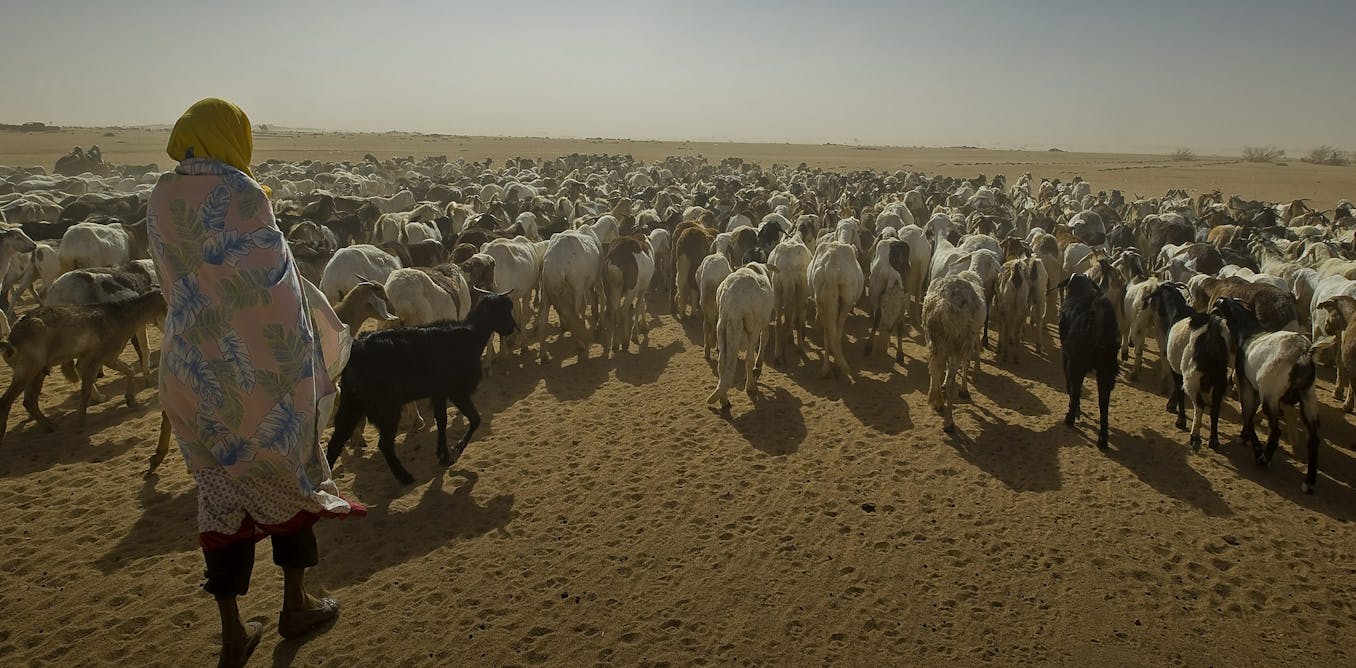
The African Sahel, a transitional region between the Sahara Desert to the north and the Sudanian savanna to the south, stretches across the continent from Senegal in the west to Chad and Sudan in the east. Despite its rich history and cultural diversity, the Sahel has become synonymous with instability and recurrent conflict. Understanding the underlying reasons for this challenging environment requires a deep dive into historical, socioeconomic, environmental, and political dynamics unique to the region.
Historical Context and Colonial Legacies
Historical patterns of governance, beginning with pre-colonial empires like the Mali and Songhai, contributed to the region’s complex ethnic and cultural landscape. The colonial carve-up of Africa by European powers in the late nineteenth and early twentieth centuries disregarded existing social and ethnic boundaries, creating artificial borders that persist today. As a result, ethnic groups were divided across new national lines—Tuaregs, Fulani, Hausa, and others found themselves citizens of different states overnight. This arbitrary partition contributed to lasting grievances, contested identities, and a foundation of mistrust between communities and the post-independence states in the Sahel.
The colonial legacy also established centralized, often unresponsive governance structures. Many Sahelian states inherited patrimonial systems focused on urban elites, neglecting peripheral, rural regions. This unequal power distribution has fueled a sense of marginalization among rural groups, setting the stage for resistance and, at times, violent rebellion.
Socioeconomic Challenges and Lack of Development
Levels of poverty in the Sahel region are persistently some of the highest worldwide. The United Nations Development Programme reports that nations such as Niger, Mali, and Burkina Faso are found in the bottom portions of the Human Development Index. A combination of extensive joblessness, inadequate access to good education, insufficient healthcare services, and food scarcity contributes to issues of vulnerability and societal instability.
A case study from the Lake Chad Basin demonstrates how economic collapse can stoke conflict. Historically, Lake Chad supported millions through fishing, agriculture, and trade. Due to climate change and overuse, the lake has shrunk by more than 90% over the last 60 years. As livelihoods disappeared, local communities faced increased competition for diminishing resources, leading to communal clashes and providing fertile ground for recruitment by extremist groups.
Those social and economic challenges intersect with population patterns: the Sahel is home to one of the fastest-expanding populations globally, increasing pressure on already limited resources and governmental abilities. The swift movement towards cities and the surge in youth—the average age in Niger is below 16—result in millions of young individuals seeing limited opportunities, escalating the chance of becoming radicalized or engaging in unlawful economic activities.
Environmental Issues and Alterations in Climate
The Sahel is acutely vulnerable to climate change. The region’s environment is characterized by fragile soils and highly variable rainfall. Droughts and irregular weather patterns are becoming more common and severe. Pastoralists, such as the Fulani, whose livelihoods depend on seasonal movement of livestock, are forced to travel farther in search of water and pasture. This leads to increased tensions with sedentary farmers, as traditional grazing routes overlap with farmlands. These farmer-herder conflicts are a recurrent source of violence, often exacerbated during periods of scarcity.
Climate change amplifies the effects of underlying governance and economic challenges, turning manageable tensions into potential flashpoints. The United Nations Environment Programme has identified the Sahel as one of the “climate change hotspots,” where the intersection of environmental and social vulnerability is especially pronounced.
Weak State Institutions and Governance Deficits
States in the Sahel frequently lack the capacity to provide basic services, enforce the rule of law, or maintain a monopoly on the legitimate use of force. Remote areas are often left with little presence of central authority, allowing ungoverned spaces to proliferate. This institutional vacuum is readily filled by non-state actors, including armed militias, self-defense groups, criminal syndicates, and insurgent movements.
Governance deficits contribute to a pervasive sense of exclusion, particularly among ethnic minorities and rural populations. Disputes over land tenure, resource allocation, and political representation often go unresolved through official channels, leading aggrieved groups to take matters into their own hands. Corruption and nepotism further undermine trust in public institutions, complicating efforts at state-building and conflict resolution. Additionally, insurgent groups often position themselves as providers of order and justice in areas where state presence is minimal, complicating efforts to restore government authority.
The Spread of Armed Groups and Violent Extremism
The unrest in the Sahel has provided a fertile ground for numerous armed factions to thrive, some driven by local issues, others by international jihadist motives. Organizations like Jama’at Nasr al-Islam wal Muslimin (JNIM), Islamic State in the Greater Sahara (ISGS), and Boko Haram function with diverse objectives and degrees of collaboration. Many exploit local discontent, draw in disenfranchised young individuals, and fund their activities through the smuggling of drugs, arms, and humans.
The collaboration between regional conflict participants and international terrorist organizations is especially evident in the tri-border region of Mali, Niger, and Burkina Faso. In this area, factions take advantage of ethnic tensions and governmental vulnerabilities to establish a foothold. This leads to a scenario where violence is both strongly localized—stemming from confrontations over livestock or territory—and linked to worldwide jihadist ideologies.
International military interventions, such as the French-led Operation Barkhane and the United Nations Multidimensional Integrated Stabilization Mission in Mali (MINUSMA), have had mixed results. While some successes have been recorded, these interventions are often criticized for failing to address root causes, focusing narrowly on counterterrorism and security at the expense of political, economic, and social dimensions.
Cross-Border Dynamics and Regional Instability
Porous borders are a defining feature of the Sahel. People, goods, and armed groups move with relative ease across weakly controlled frontiers. This cross-border mobility means that instability in one country can spread rapidly: a coup in Mali, for example, can embolden insurgents in neighboring Burkina Faso or Niger.
The interconnections between national conflicts have led to spill-over effects. For instance, the 2011 collapse of the Libyan regime unleashed a flood of weapons and displaced fighters into the Sahel, escalating existing disputes and strengthening armed factions. Complex regional dynamics demand cooperative solutions, but geopolitical rivalries and differing priorities among states often hinder effective collaboration.
Outside Influencers and Global Concerns
The involvement of external actors also shapes the landscape of conflict in the Sahel. France, the former colonial power, maintains a significant military presence and leads counterterrorism operations, motivated by security concerns and the protection of economic interests. The European Union, United States, Russia, and others have backed various stabilization, development, and security initiatives. While international support is critical, competing visions and interests sometimes undermine local ownership and the long-term sustainability of peacebuilding efforts.
Humanitarian organizations encounter significant obstacles when providing assistance in areas of conflict. Their ability to reach those in need is often hampered by safety concerns and bureaucratic barriers, which increase the danger for already vulnerable groups.
Comprehending Complexity
Conflicts in the African Sahel are shaped by an intricate blend of historical legacies, social and ethnic divides, economic despair, environmental fragility, and state fragility, all amplified by regional and international dynamics. Solutions that focus solely on security measures or technical development assistance are insufficient without attention to the layers of grievances, identities, and hopes that thread through Sahelian life. Only through recognizing and responding to the full spectrum of these factors can pathways towards stability and renewed opportunity be envisioned for the peoples of the Sahel.