
Recent governmental activities indicate that Israeli authorities might be considering a long-term security plan in Gaza after the ongoing conflict. The current administration of Prime Minister Benjamin Netanyahu seems to be assessing possibilities that could include keeping Israeli military presence in the area indefinitely, as per individuals acquainted with private deliberations.
The proposed strategy reportedly aims to prevent the reemergence of militant groups and ensure long-term security for Israeli communities near the Gaza border. This approach would mark a significant shift from Israel’s unilateral withdrawal from Gaza in 2005, representing what some analysts describe as a potential reconfiguration of security policy toward the Palestinian territory.
Security specialists explain that a prolonged military presence would probably entail intricate operational challenges. Gaza’s tightly packed urban areas and tunnel systems pose exceptional challenges for ongoing security activities, while the humanitarian context adds further difficulties for military strategists. The prospective plan seems concentrated on establishing buffer areas and overseeing critical infrastructure locations instead of managing civilian matters.
Political analysts indicate that this new strategy mirrors the evaluation by the Netanyahu administration that previous short-term truces or restricted actions have not ensured enduring safety. The alleged proposal would focus on stopping future assaults rather than securing an immediate negotiated agreement. Nevertheless, detractors contend that this method could result in extended unrest and global disapproval.
The potential shift comes amid growing international pressure for a political solution to the conflict. Various nations and organizations have called for renewed peace efforts, with some proposing international security arrangements or Palestinian governance reforms as alternatives to direct Israeli military control. These competing visions highlight the fundamental disagreements about Gaza’s future security architecture.
Military experts warn that maintaining a prolonged presence would demand significant resources and might subject Israeli troops to ongoing guerrilla-like resistance. Past cases indicate these kinds of setups frequently evolve into politically and militarily taxing situations over time, although proponents claim that the existing security challenges warrant extraordinary actions.
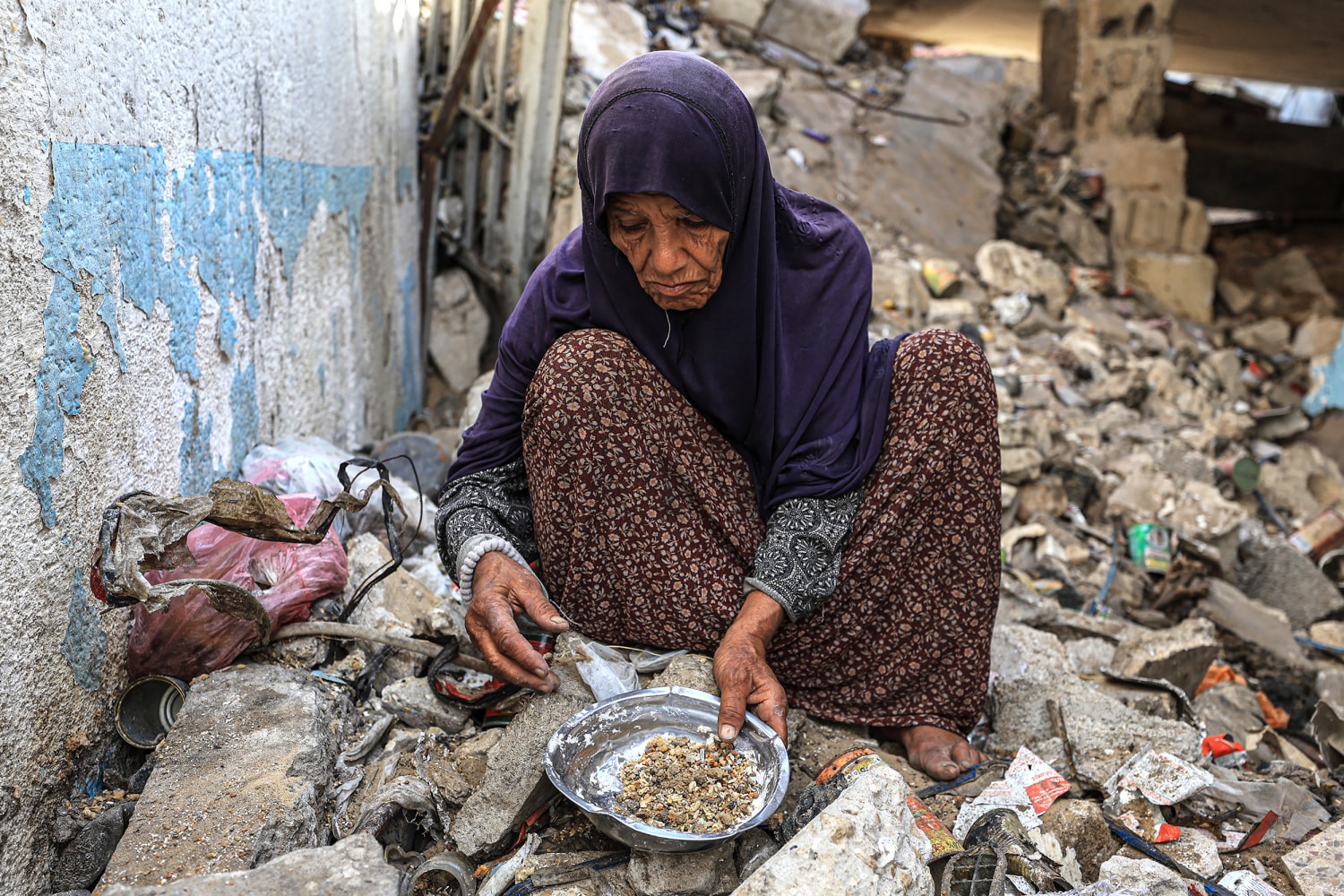
Humanitarian organizations have expressed concern about the potential consequences for Gaza’s civilian population. With much of the territory’s infrastructure already severely damaged, an extended military operation could further complicate reconstruction efforts and the delivery of essential services. The United Nations and various aid groups emphasize that any security framework must consider its impact on civilian welfare.
In Israeli political spheres, the discussed plan seems to be sparking discussion. A number of security experts call for explicit exit plans and specific goals, cautioning against indefinite engagements. At the same time, some individuals within Netanyahu’s coalition are urging for firmer measures to avert future dangers from Gaza, resulting in conflicting demands on those in charge.
Global response to these events has been varied. Some close allies have reportedly encouraged Israel to explore other options that may be more enduring and less contentious on an international scale. Meanwhile, certain regional allies seem mainly concerned with averting further tensions that could destabilize the greater Middle East.
Legal experts note that extended military control would raise complex questions under international law. The status of occupied territories involves specific legal obligations regarding civilian protection and administration that could create challenges for Israel’s government and military. These considerations may influence how any plan is ultimately structured and implemented.
As conversations persist within Israeli security and political arenas, the upcoming weeks might shed more light on the government’s planned actions. The outcomes might not only impact Gaza’s near-term outlook but also influence the overall path of Israeli-Palestinian relations in the forthcoming years. The choices made at present could decide if the ongoing conflict results in enduring alterations to the region’s security environment.
The circumstances are continuously changing, influenced by various elements such as military progress, political strategies, and global diplomacy, all of which may shape the eventual result. Analysts warn that early suggestions typically undergo significant modifications before being put into practice, especially in intricate security settings akin to Gaza.
For local stakeholders, these advancements signify a crucial point. Adjacent nations and global authorities are expected to heighten their diplomatic involvement as Israel’s plans gain clarity, aiming to safeguard their own interests while trying to sway the situation’s direction. The interaction of these diverse entities will ultimately decide if the reported strategies proceed and how they take shape.
As the world watches these developments unfold, the fundamental question remains how to balance legitimate security concerns with the need for political solutions that can provide lasting stability. The challenge for all involved will be to navigate these difficult trade-offs in a way that minimizes further suffering while addressing the root causes of recurrent conflict.
The coming period will test the capacity of both Israeli leadership and the international community to develop approaches that can break the cycle of violence without creating new problems. History suggests this will require difficult compromises and creative thinking from all parties involved in or affected by the Gaza situation.
As of now, the mentioned contemplation of enhanced protective actions suggests that Israeli authorities might be gearing up for a significantly altered stage in their strategy towards Gaza. It remains to be determined if this constitutes a short-term requirement or a permanent strategic transformation as the situation persists in evolving in this unpredictable and critical context.