
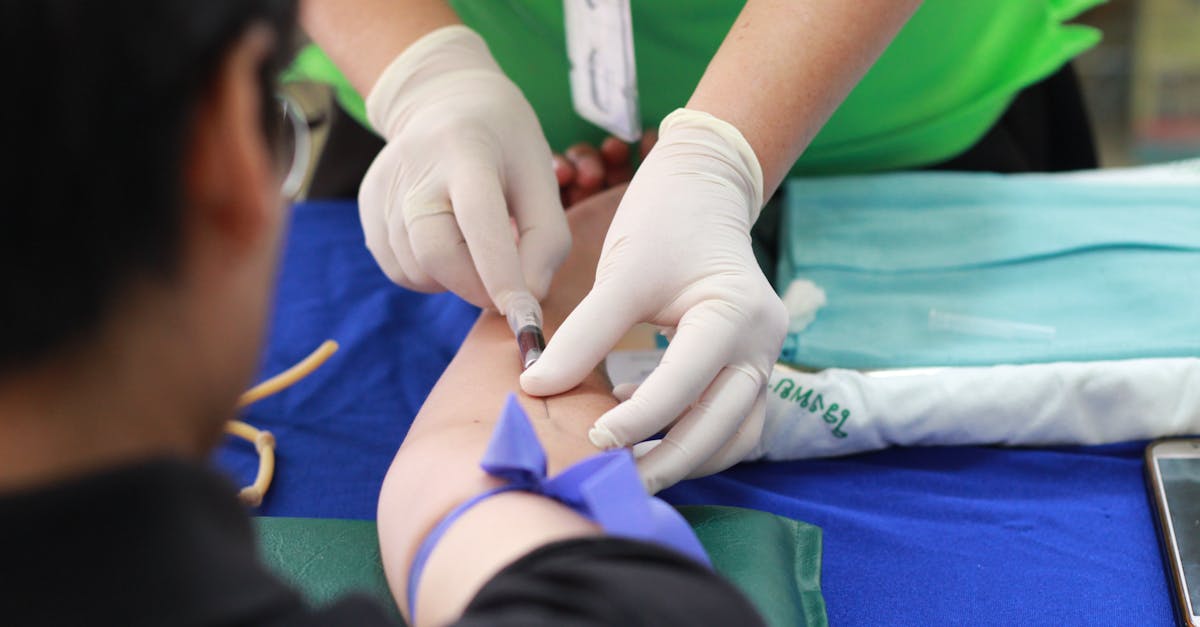
Whole-person health represents a practical approach to care that views individuals as interconnected beings instead of a set of separate symptoms, combining clinical treatment with consideration for mental, social, economic, behavioral and environmental influences on health, and in practice moves systems away from sporadic, disease-centered visits toward ongoing, tailored collaborations that ease suffering, enhance outcomes and reduce unnecessary costs.
Core components of whole-person health
- Physical health: science-backed prevention, comprehensive chronic disease management, support for mobility and physical functioning, along with careful focus on sleep, diet and regular physical activity.
- Mental and behavioral health: consistent screening and readily available treatment for depression, anxiety, substance use, trauma and stress-related concerns.
- Social determinants of health: factors such as food availability, stable housing, transportation access, income, education and social networks, all evaluated and integrated into care.
- Functional and vocational wellness: capacity to maintain employment, handle everyday tasks and preserve personal autonomy.
- Spiritual, cultural and existential needs: sense of meaning and purpose, along with care choices shaped by cultural values.
- Environmental context: neighborhood safety, environmental pollutants, access to green areas and workplace conditions that affect overall health.
- Screening integrated into workflows: brief assessments such as PHQ-9 or GAD-7 for mood, PROMIS for function, and PRAPARE or AHC-HRSN for social needs are routinely incorporated during intake and subsequent visits.
- Team-based care: primary clinicians collaborate with behavioral health specialists, pharmacists, social workers, community health workers and care coordinators to design and implement a unified, person-focused plan.
- Shared decision-making and care planning: goal-oriented discussions emphasize what the individual values most—returning to work, easing pain, or maintaining activity—and then align clinical actions with those priorities.
- Social prescriptions and navigation: clinicians connect patients to food programs, legal services, housing resources or transportation options and monitor these referrals through collaborations with community partners.
- Data-driven follow-up: ongoing tracking of outcome measures (symptom levels, functional capacity, service use) supported by timely outreach whenever key thresholds are exceeded.
Measuring whole-person health
- Patient-reported outcome measures (PROMs): tools like PROMIS, PHQ-9, GAD-7 provide standardized tracking of symptoms and function.
- Biometric and clinical metrics: blood pressure, HbA1c, A1c, BMI, lipid panels and vaccination status remain important but are interpreted alongside psychosocial data.
- Utilization and cost trends: emergency department visits, hospital readmissions and total cost of care indicate whether interventions are reducing harm and waste.
- Social needs indices: aggregated SDOH screening results, housing stability measures and food insecurity prevalence inform population health strategies.
- Composite well-being indices: combine clinical, functional and social measures to capture multidimensional outcomes meaningful to patients and payers.
Evidence and impact—what studies and programs show
- Meeting social needs while weaving behavioral health into primary care has been linked to stronger symptom management and greater patient engagement; several integrated initiatives have noted sizable drops in emergency department use and hospital readmissions over periods ranging from months to multiple years.
- Preventive strategies and chronic-care oversight shaped around whole-person objectives enhance adherence and functional progress; longitudinal research frequently reports superior blood pressure and glucose regulation when care teams confront obstacles such as limited transportation, food insecurity and financial strain.
- Value-based payment experiments and accountable care approaches that support interdisciplinary teams often realize a favorable return on investment within 1–3 years by curbing high-cost service utilization and advancing chronic disease outcomes.
Real-world case scenarios
- Primary care clinic redesign: A suburban primary care practice adds a behavioral health consultant and a community health worker. They screen all adults for depression and social needs at annual visits. Within a year the clinic sees improved PHQ-9 scores, increased adherence to medication and a measurable drop in non-urgent emergency visits among high-risk patients.
- Community program: A city partnership provides “social prescribing” navigators embedded in emergency departments who connect patients with housing, food and substance-use treatment. Over two years the program records fewer repeat ED visits among participants and higher rates of stable housing.
- Employer initiative: A large employer offers on-site counseling, flexible scheduling, and targeted chronic disease coaching. Employee-reported well-being improves, short-term disability claims fall, and productivity metrics show modest gains—supporting a multi-year ROI.
Common barriers and practical solutions
- Payment misalignment: Traditional fee-for-service often prioritizes isolated procedures instead of coordinated care. Solution: introduce blended payment approaches, bundled payment arrangements, or value-based contracts that compensate care coordination and measurable results.
- Workforce capacity: The supply of behavioral health professionals and the social care workforce remains limited. Solution: rely on community health workers, telehealth options, stepped care strategies, and cross-training initiatives to broaden service availability.
- Data fragmentation: Clinical, behavioral, and social information is frequently stored in disconnected systems. Solution: support interoperable shared care plans, unified screening standards, and secure platforms for tracking referrals.
- Stigma and trust: Patients might hesitate to reveal social or behavioral concerns. Solution: foster trauma-informed and culturally competent environments, adopt neutral language for screenings, and guarantee practical follow-up resources.
System-wide and policy mechanisms
- Supportive payment reforms: Medicaid waivers, Medicare innovation models, and commercial value-based agreements can allocate resources to interdisciplinary teams and bolster social-care initiatives.
- Cross-sector partnerships: collaborations between health systems and housing authorities, food banks, schools, and legal services enable clinical efforts to activate tangible social support.
- Standards and incentives for data sharing: unified data elements for SDOH and PROMs help lessen administrative demands and facilitate managing populations more effectively.
Checklist: Getting started with whole-person health
- Implement routine screening for mental health and social needs using brief, validated tools.
- Create a multidisciplinary team with clear roles for care coordination and social navigation.
- Map community resources and establish warm referral pathways with feedback loops.
- Choose a small set of outcome measures (PROMs, utilization, key clinical indicators) and track them longitudinally.
- Engage patients in goal-setting and align clinical care to what matters most to them.
- Pilot with a defined population, measure impact, iterate and scale what works.
Whole-person health represents not a standalone initiative but a guiding approach: identify what truly matters, address needs across medical and social spheres, track outcomes that people value, and organize funding and collaborations to uphold these efforts. When health systems, clinicians and communities come together around integrated, person-focused practices, care becomes safer, daily functioning improves and health systems operate with greater efficiency and compassion.