

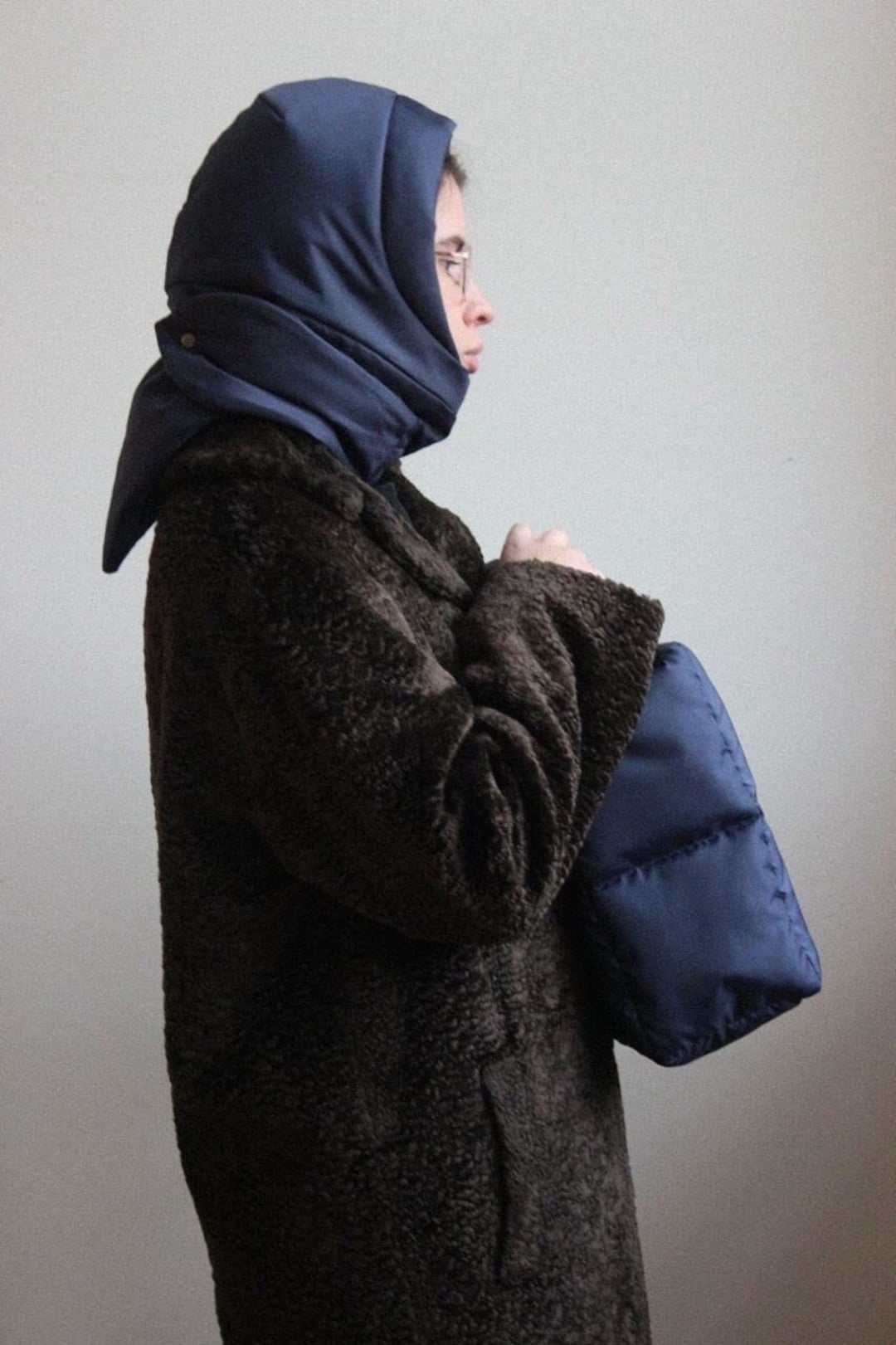
Fashion, an ever-evolving industry, constantly introduces new ways to express creativity and respond to the changing seasons. One pivotal aspect of this progression is the development of seasonal collections, notably the fall-winter collection. But what does this term encapsulate, and why is it essential in fashion?
The Idea Behind the Fall-Winter Collection
A fall-winter collection describes a thoughtfully assembled lineup of clothing and accessories created for the colder season, generally covering the period from September through February. These lines are usually unveiled at fashion weeks held in early spring, allowing both retailers and shoppers ample time to gear up for the approaching seasonal shift. Their central purpose is to merge practicality with contemporary style, delivering pieces that provide warmth while reflecting current fashion directions.
Core Features of Fall-Winter Collections
One of the hallmarks of a fall-winter collection is its focus on materials. Designers opt for heavier and warmer fabrics such as wool, cashmere, and velvet. These materials provide insulation and comfort, essential as temperatures decrease. Layering is another critical aspect, allowing individuals to adjust their clothing according to indoor-outdoor temperature variations. This functionality is often achieved through pieces like jackets, sweaters, and scarves.
Color palettes evolve markedly in fall-winter collections. While spring-summer lines showcase lively, vivid tones, fall-winter palettes gravitate toward earth tones and muted shades. Shades like deep burgundy, forest green, and rich navy prevail, mirroring the seasonal shifts found in nature.
Accessories remain equally important, with pieces like leather boots, hats, and gloves offering both style and reliable protection in colder weather. Moreover, adding textures such as knitted designs or metallic-thread details can introduce visual appeal and extra warmth to any outfit.
The Impact Exerted by Fashion Weeks
Fashion weeks in major hubs like New York, Paris, Milan, and London serve as the launching pad for fall-winter collections. These events are pivotal, showcasing the latest designer visions and setting trends for the season. Although exclusive initially, these designs filter down into more accessible high street fashion, influencing what will be available in retail stores.
Designers use these platforms to experiment with silhouettes and concepts, pushing the boundaries of conventional winter attire. Innovations such as tech-enhanced fabrics that provide additional warmth without added bulk are becoming increasingly prevalent. As sustainability becomes a core concern, eco-friendly materials and ethical production techniques are increasingly visible in collections.
Market Trends and Consumer Behavior
The transition into fall-winter collections also indicates shifts in consumer behavior. With colder weather necessitating warmer attire, there is typically an increase in spending, with consumers seeking both necessities and luxury indulgences. The rise of e-commerce has further expanded access, allowing buyers to explore global collections from the comfort of their homes.
Moreover, brands are increasingly appealing to the environmentally conscious consumer through sustainable and ethical lines. Transparency in sourcing and production methods is not only a growing trend but a demand, with consumers more connected and informed than ever.
Challenges and Dynamics in the Industry
Creating a fall-winter collection demands careful navigation through multiple challenges, as shifting climate patterns have pushed designers to reassess conventional fabrics and silhouettes. In certain areas, gentler winters reduce the need for bulky coats, shaping how each collection is assembled. Striking a functional yet inventive approach becomes essential, requiring designers to anticipate environmental changes with precision.
Additionally, the impact of globalization has diversified consumer tastes, necessitating a broader range of styles within collections to cater to varied markets. While certain styles may resonate well in cooler, temperate regions, designers must also consider warmer climates where fall-winter collections might need to adapt to less severe weather conditions.
Considering the heart of fall-winter collections, one finds a blend of creativity and function, influenced not only by the cadence of the seasons but also by shifting consumer demands and new technologies. This interplay guarantees that each year, as daylight fades and foliage darkens, fashion persists in evolving, innovating, and captivating.