
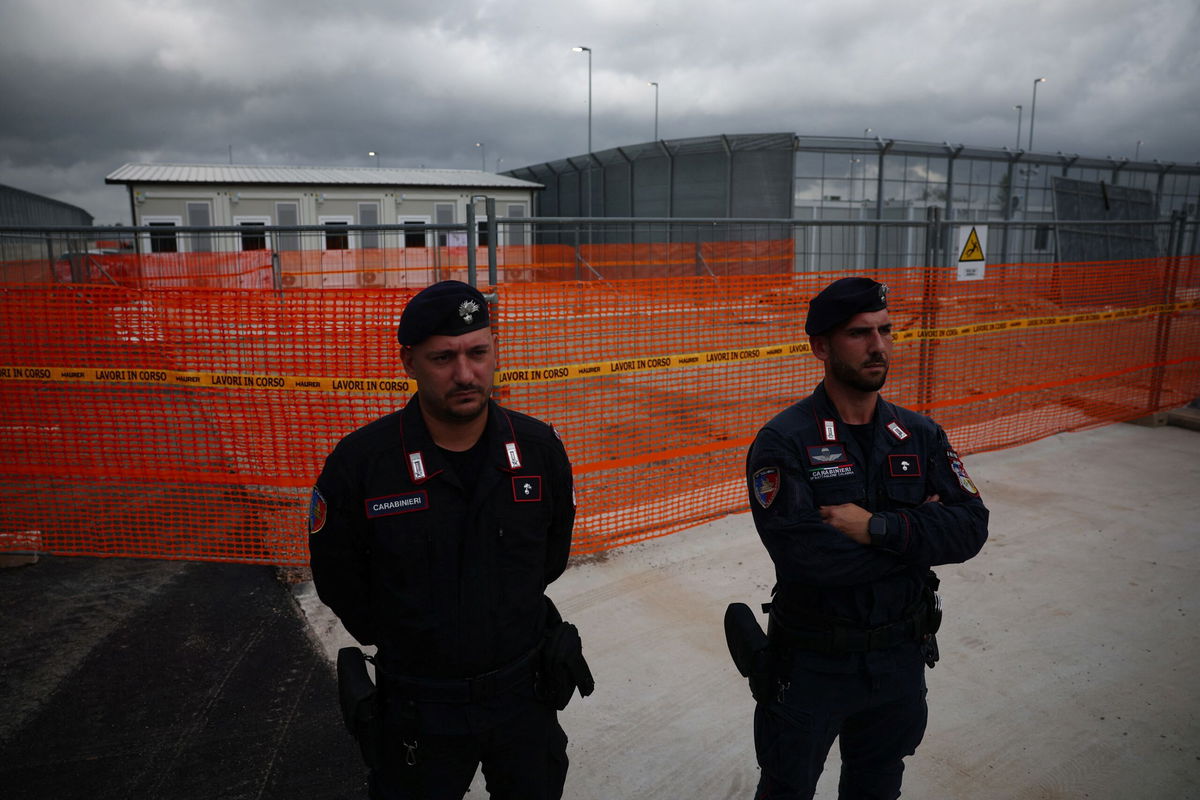
Several European nations’ attempts to set up offshore processing centers for asylum applicants have faced major legal obstacles due to a recent decision by one of Europe’s leading courts. This ruling has cast doubt on the future of plans to transfer asylum seekers to third countries during the processing of their claims, an approach that has been heavily debated from both legal and humanitarian viewpoints.
The ruling, handed down by the European Union’s top judicial body, addressed the legality of outsourcing asylum procedures beyond EU territory. In its decision, the court emphasized that transferring responsibility for asylum processing to non-member states may violate established European legal frameworks and fundamental human rights protections.
Ante el aumento de inquietudes relacionadas con la migración irregular y la presión sobre los sistemas nacionales de asilo, algunos estados miembros de la UE han sugerido trasladar ciertas partes del proceso de asilo al exterior. Según estos planteamientos, las personas que lleguen a Europa sin permiso podrían ser enviadas a países socios —frecuentemente fuera de la UE— donde se revisarían sus solicitudes de protección. Si califican, podrían ser reasentadas, tal vez en Europa o en otro país; de lo contrario, podrían ser deportadas desde el tercer país.
This strategy has been promoted by some governments as a way to deter dangerous migration routes and to manage asylum flows more efficiently. Proponents argue that offshore processing could prevent deaths at sea, disrupt smuggling networks, and reduce strain on national infrastructure. Critics, however, say such policies sidestep legal obligations, endanger vulnerable people, and risk violating international norms.
In its recent ruling, the European Court of Justice (ECJ) determined that member states cannot transfer the core responsibilities of refugee protection to third countries unless those countries are deemed “safe” in both legal and practical terms. The judgment clarified that merely designating a country as safe is insufficient; the state in question must provide equivalent levels of protection and procedural safeguards as required by EU and international law.
The ruling also reinforced that individuals must retain access to fair and effective asylum procedures, as well as the right to appeal negative decisions. Any arrangement that compromises these guarantees could breach EU treaties, the European Convention on Human Rights, and the 1951 Refugee Convention.
This interpretation places a significant constraint on external processing schemes, especially those targeting regions with questionable human rights records or limited administrative capacity to handle large numbers of asylum cases.
The ECJ’s ruling has immediate implications for countries that had been exploring partnerships with third states to manage migration. For example, discussions about transferring asylum seekers to countries in North Africa or the Western Balkans will now require far more rigorous legal scrutiny. Any bilateral agreement must demonstrate that it fully upholds EU asylum standards, which may prove difficult in practice.
In recent years, countries like Denmark, Italy, and Austria have floated the idea of offshore processing, citing the Australian model as an inspiration. However, Australia’s offshore detention system—implemented in locations such as Nauru and Papua New Guinea—has been widely criticized for its human rights abuses, prolonged detention, and psychological harm to detainees. Applying a similar model in Europe now appears increasingly unlikely under the court’s guidance.
Additionally, the ruling complicates broader EU efforts to reform its migration and asylum architecture. The bloc has been working on a New Pact on Migration and Asylum, which includes elements of border management, solidarity mechanisms, and faster processing. While some member states hoped external processing could complement these reforms, the legal barrier now raised by the court may force policymakers to reevaluate their approach.
The court’s emphasis on upholding legal and human rights standards reflects broader concerns about the erosion of asylum protections in Europe. Human rights organizations have long warned that efforts to externalize asylum responsibilities risk placing vulnerable individuals in unsafe environments where their rights may not be respected.
The ruling by the ECJ strengthens the concept of non-refoulement, which forbids sending asylum seekers back to nations where they could encounter persecution or cruel treatment. Moreover, it underscores the significance of adhering to fair procedures, clarity, and availability of legal resolutions—factors that can be challenging to ensure in offshore locations, particularly in regions with weak legal infrastructures.
Este enfoque en los derechos humanos está en consonancia con las posturas de la Agencia de la ONU para los Refugiados (ACNUR), que ha instado a los países a conservar la responsabilidad de las solicitudes de asilo dentro de sus propias jurisdicciones y a evitar prácticas que los alejen de la responsabilidad legal.
Migration continues to be a politically charged issue across Europe, and the court’s ruling is likely to provoke mixed reactions among EU member states. While some governments may welcome the reaffirmation of legal standards, others—especially those facing significant migrant arrivals—may view the decision as a setback to efforts aimed at border control.
Populist and anti-immigration parties may seize on the ruling to criticize what they perceive as judicial overreach or inflexible European regulations. Meanwhile, advocacy groups and refugee support networks are likely to see the decision as a crucial safeguard against the erosion of asylum rights.
In practice, the ruling may drive greater investment in onshore solutions, such as expanding reception capacity, enhancing asylum processing systems, and improving burden-sharing across the EU. It may also prompt renewed dialogue on addressing the root causes of migration, including conflict, climate change, and economic instability in migrants’ countries of origin.
With offshore processing plans now under significant legal scrutiny, EU countries are being urged to find alternatives that balance border management with humanitarian obligations. The court’s decision does not eliminate all forms of cooperation with third countries, but it does set firm legal parameters for any such arrangements.
Going forward, the challenge for European policymakers will be to craft migration policies that are both legally sound and operationally effective. This may involve enhancing support for frontline countries, streamlining procedures without undermining rights, and promoting safe, legal pathways for protection.
Finally, the decision by the court acts as a reminder that even though handling migration is a challenging and frequently debated matter, strategies must stay rooted in legal principles and the core values of dignity, fairness, and protection that support the European initiative.