

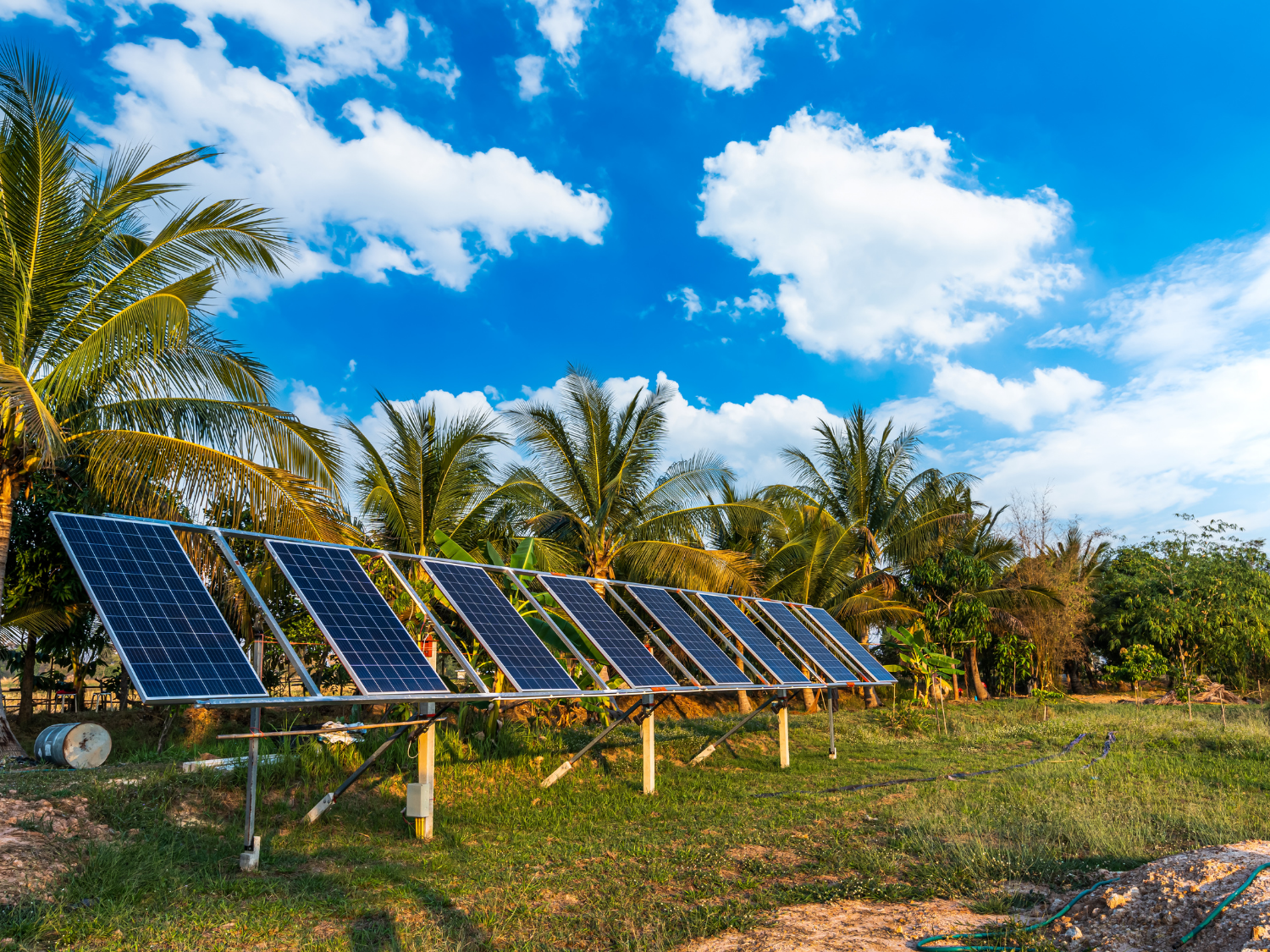
Barbados confronts a twofold challenge shared by many small island developing states: it must curb its reliance on imported fossil fuels while upgrading the energy performance of the buildings that underpin its economy, including hotels, offices, schools and residences. Corporate social responsibility (CSR) has become a practical driver of this shift, as companies, financial institutions and community groups channel resources, technical knowledge and influence to expand rooftop solar adoption, advance energy‑efficient retrofits and promote resilient construction practices that reduce expenses, cut emissions and bolster local livelihoods.
Why CSR plays a pivotal role in Barbados’ transition to sustainable energy
- Economic exposure: Substantial fuel import expenses drive electricity prices upward and create volatility for both consumers and businesses, while CSR initiatives that curb energy use help safeguard profit margins and ease pressure on national accounts.
- Tourism vulnerability: The tourism industry—Barbados’ principal economic pillar—has compelling reasons to embrace sustainable measures that resonate with eco-minded visitors and lessen operational hazards linked to severe weather.
- Leadership and reputation: Both domestic and global companies rely on CSR to showcase environmental responsibility, appeal to skilled professionals and satisfy investor ESG requirements as they support national climate ambitions.
- Implementation capacity: The private sector’s purchasing influence and project execution expertise can speed the rollout of solar PV, high-efficiency HVAC systems, LED lighting and building envelope enhancements more effectively than scattered public initiatives alone.
Common CSR approaches and interventions
- Rooftop and on-site solar installations: Companies sponsor or co-invest in solar arrays for their facilities or for community buildings (schools, clinics) to reduce grid demand and lower operating costs.
- Energy-efficiency retrofits: LED lighting, variable-speed drives on motors, efficient refrigeration and upgraded HVAC controls are frequent targets because of fast paybacks and measurable savings.
- Building envelope and passive design: Insulation, reflective roofing, shading, improved glazing and natural ventilation reduce cooling loads—critical for Barbados’ hot-humid climate.
- Behavioral and capacity programs: Staff training, energy audits, and on-site monitoring systems turn equipment upgrades into sustained energy reductions.
- Green financing and loan products: Banks and development partners provide preferential loans, lease arrangements or third-party ownership models (power purchase agreements) to lower the upfront cost barrier.
- Public-private partnerships (PPPs): Corporations collaborate with government agencies to pilot district-level solutions—microgrids, resilient hospital upgrades or combined solar+storage demonstrations.
Representative cases and results
- Hotel sector retrofits: Leading hotels in Barbados have implemented integrated projects combining rooftop solar, LED conversions and HVAC control upgrades. Typical outcomes reported across similar projects in the Caribbean include electricity savings of 20–40% and payback periods of 3–7 years for combined measures, depending on scale and financing terms.
- Community solar and school projects: CSR-funded solar systems for schools and community centers reduce operating costs for public institutions and create hands-on educational opportunities about renewable energy for students.
- Utility partnerships: Collaboration between utilities and private developers has expanded grid-tied solar capacity through streamlined interconnection processes, net metering adjustments and pilot battery storage trials that demonstrate peak shaving and resilience benefits.
- Green loans and equipment leasing: Local banks and regional development finance institutions have introduced green loan facilities and equipment leasing for small and medium enterprises, enabling retrofits that would otherwise be unaffordable. These instruments improve cash flow for businesses while delivering verifiable energy savings.
Measuring impact: KPIs and verification
Strong CSR programs track a consistent set of indicators to demonstrate value:
- Energy saved (kWh) and percent reduction in consumption
- Renewable energy generated (kWh) and installed capacity (kW or MW)
- Greenhouse gas reductions (tons CO2e avoided)
- Financial metrics: cost savings, payback period, internal rate of return (IRR)
- Social outcomes: jobs created, local supplier engagement, community benefits
Independent verification through energy audits, meter readings, and third-party impact assessments is widely regarded as a best-practice approach for CSR-funded initiatives, helping safeguard stakeholder trust while enabling broader expansion.
Financing models enabling corporate action
- Direct capital investment: Corporations allocate funds from their own balance sheets when projected returns satisfy internal investment criteria.
- Power purchase agreements (PPAs) and solar leases: Third-party providers handle installation and ownership, delivering electricity to the host at rates below conventional grid prices.
- Green loans and blended finance: Concessional funding from donors or development banks helps mitigate risk and strengthens the commercial feasibility of extensive retrofits and renewable initiatives.
- Carbon or sustainability procurement: Corporations leverage their sustainability commitments to obtain premium pricing or secure long-term agreements that support environmentally focused investments.
Barriers and how CSR helps overcome them
- Upfront cost and split incentives: CSR can provide seed capital, grants or leasing models that address high initial costs and misaligned incentives between building owners and tenants.
- Technical capacity: Corporations often bring project management, procurement expertise and access to vetted vendors—shortening the learning curve for local stakeholders.
- Regulatory uncertainty: Private sector pilots and PPPs can demonstrate scalable models that inform policy, such as streamlined permitting or updated building performance codes.
- Market fragmentation: CSR-backed programs can aggregate demand (for example, across hotels) to secure economies of scale and lower equipment and installation costs.
Coordinated policies and broad-based stakeholder cooperation
CSR succeeds when aligned with national strategies and supported by international donors, utilities and civil society. Effective combinations include:
- Government incentives (tax relief, expedited permits) that reduce payback times.
- Technical assistance from multilateral development banks and bilateral partners for standards, codes and workforce training.
- Industry associations coordinating bulk procurement, knowledge sharing and certification.
- Measurement frameworks that enable CSR contributions to count toward national climate commitments and Sustainable Development Goals.
Practical recommendations for Barbados stakeholders
- Adopt a strategic CSR pipeline: Focus on initiatives that deliver clear financial returns along with quantifiable climate gains, beginning with upgrades like lighting, HVAC controls and rooftop solar.
- Scale through aggregation: Sector-wide collaborations, such as tourism clusters, can boost collective purchasing leverage, streamline contractual frameworks and support shared training efforts.
- Leverage blended finance: Pair corporate capital with development grants or concessional lending to reduce exposure and spark larger investment flows.
- Commit to verification: Rely on independent assessments and transparent reporting to strengthen credibility and draw in further funding.
- Invest in skills: Equip local contractors with training in installation, maintenance and energy auditing to secure lasting performance and expand employment opportunities.
Impact and trajectory
Barbados’ corporate sector can play a pivotal role in steering the island’s energy future toward greater resilience and reduced emissions. When companies combine financial capacity with technical execution, they not only cut operating expenses but also deliver clear community gains such as improved air quality, stronger public services and expanded local job opportunities. The most impactful CSR models bring together trackable results, aligned incentives and partnerships with both government bodies and financial institutions. By developing targeted project pipelines, ensuring transparent performance tracking and fostering broad collaboration across tourism, finance and utility sectors, Barbados can transform private-sector commitment into lasting public value and quicken its shift toward sustainable, energy‑efficient buildings increasingly powered by renewable sources.