

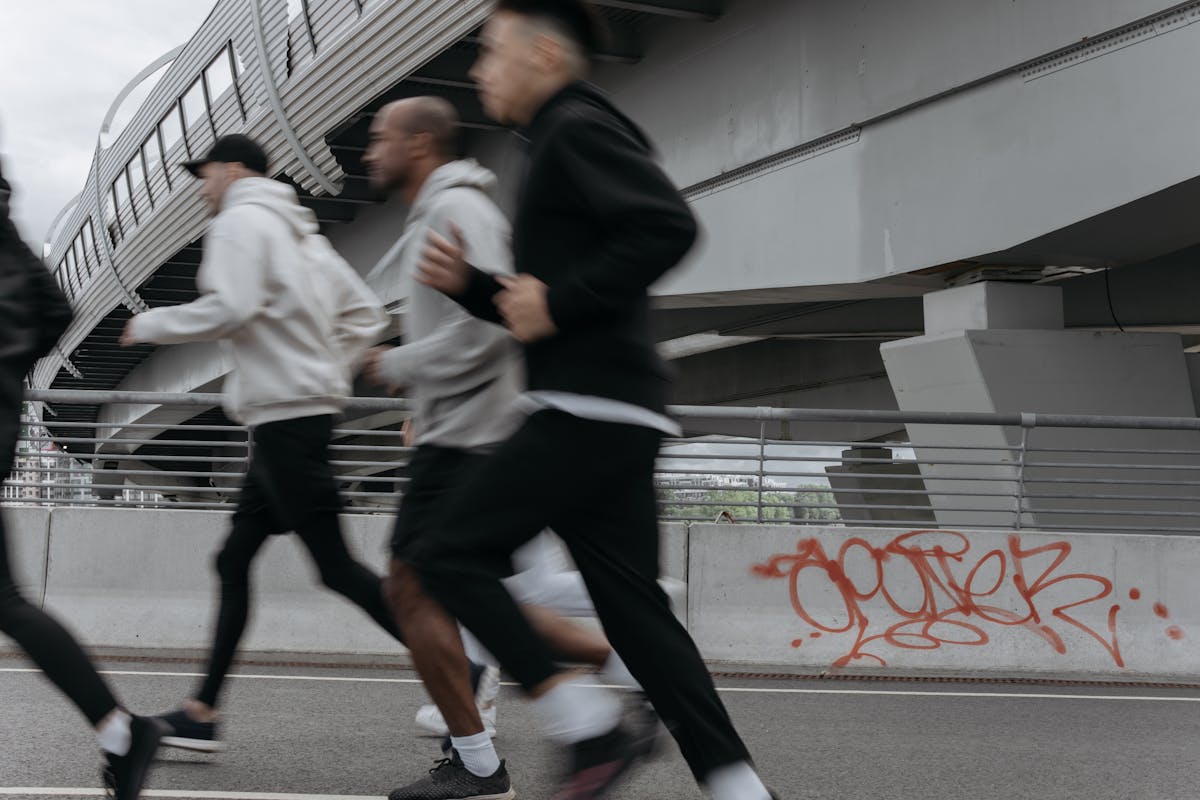
Urban fashion, widely linked to street style, represents a vibrant dimension of the fashion world that channels the rhythm of city living, arising from energetic metropolitan centers and weaving together culture, music, art, and personal flair; understanding the essence of urban fashion requires delving into its origins, its key traits, and the social impact it continues to exert.
The Roots of Urban Style
Urban fashion traces its origins back to the late 20th century and is heavily influenced by the hip-hop culture that began in the Bronx, New York. As this musical movement evolved, it also shaped a distinctive style synonymous with boldness and individuality. Pioneering artists like Run-D.M.C. and LL Cool J popularized athletic wear as everyday fashion, with Adidas sneakers and Kangol hats becoming emblematic of the genre.
As urban fashion expanded across the world, it absorbed a wide array of cultural inspirations, creating a style that feels both distinctive and widely accessible. This fusion of influences allowed urban fashion to resonate with people from many different backgrounds, gradually softening the boundaries between high fashion and streetwear.
Characteristics of Urban Fashion
Comfort and Functionality: At its essence, urban fashion emphasizes ease and usefulness. Loose silhouettes like baggy jeans, hoodies, and oversized t-shirts offer ample mobility. This style naturally reflects the dynamic pace that city settings typically require.
Bold and Expressive: Urban fashion is characterized by its bold use of colors, graphics, and patterns. Whether it’s a statement slogan on a t-shirt or a graphic print jacket, the emphasis is on making a visual impact. This aligns with the self-expression that the urban lifestyle often celebrates.
Influence of Sportswear: Sportswear plays a central role in contemporary urban style, with essentials like sneakers, track pants, and varsity jackets remaining key pieces. Brands such as Nike, Adidas, and Puma continue to dominate this segment, routinely introducing fresh releases that reflect the constant evolution of this aesthetic.
Cultural Symbolism: Many elements of urban fashion carry cultural connotations. This includes garments that pay homage to specific subcultures or historical moments. For instance, band t-shirts or apparel featuring political messages offer glimpses into the wearer’s personal worldviews and influences.
Urban Fashion’s Impact on Society
Urban fashion does not merely reflect existing cultural trends; it actively shapes them. As cities evolve and new artistic movements emerge, urban fashion adapts, often becoming a voice for the underrepresented and marginalized communities. Through brands like Supreme, Off-White, and Stüssy, urban fashion has permeated mainstream fashion, highlighting issues such as social justice, identity, and environmental sustainability.
Urban fashion has propelled streetwear into high fashion’s limelight, dissolving barriers that once divided different fashion spheres. Designers such as Virgil Abloh and Demna Gvasalia have seamlessly incorporated urban elements into their haute couture collections, demonstrating the interchangeability and evolving nature of contemporary fashion.
Urban fashion is not merely a trend but a cultural movement and a lifestyle statement. It adapts to the changing rhythms of city life, always retaining its core values of individuality and expression. As cities expand and cultural lines continue to blur, urban fashion will undeniably remain at the forefront of modern aesthetic discourse. Through a reflection of its authenticity and dynamism, urban fashion reveals not just what people wear, but who they are.