

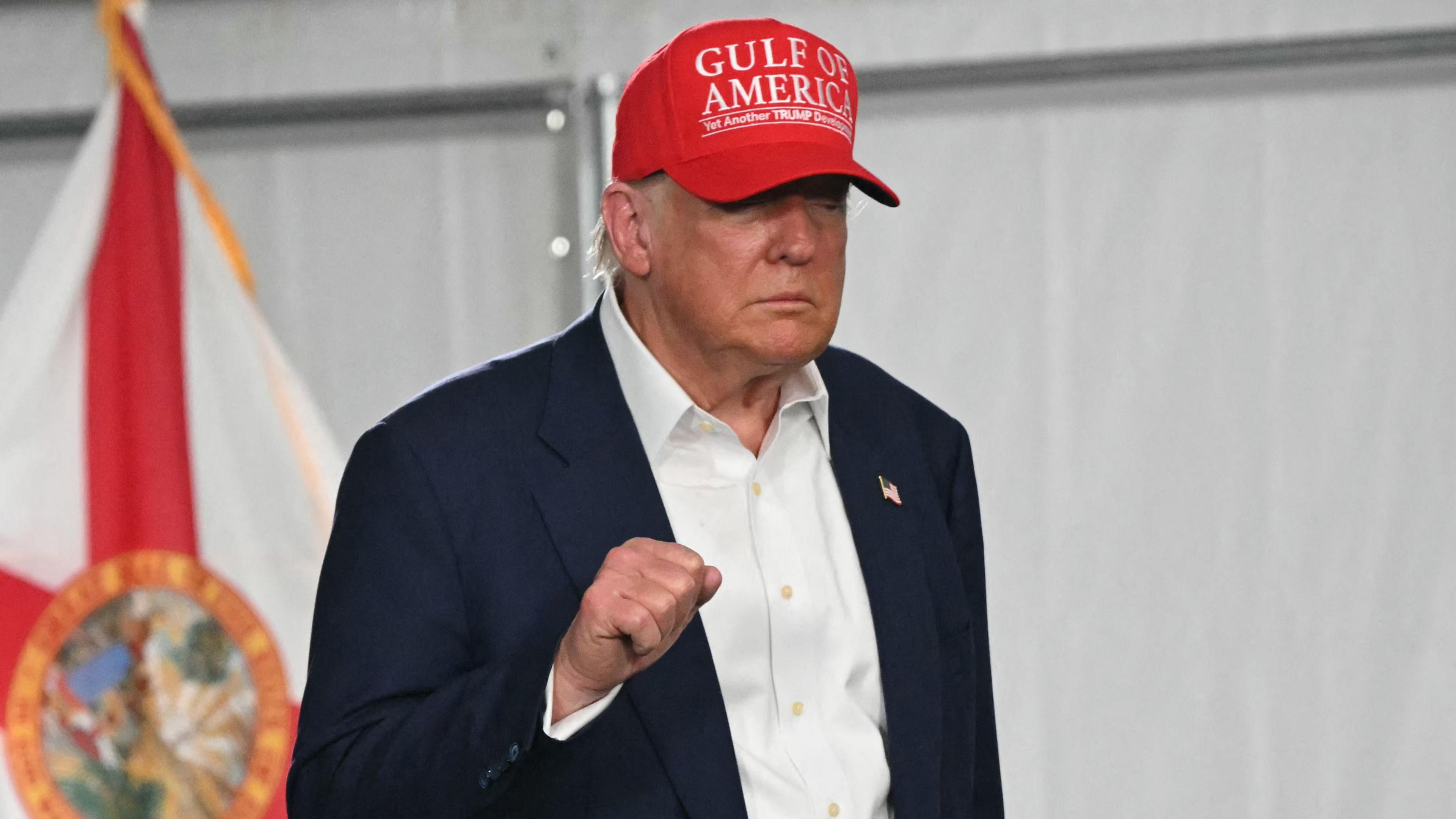
The release of former President Donald Trump’s extensive budget proposal drew considerable attention for its broad scope and ambitious spending priorities. Designed to shape the nation’s fiscal landscape, this far-reaching budget plan touched on nearly every aspect of government spending, from defense and healthcare to education and infrastructure. Understanding the key components of this comprehensive proposal offers insight into the policy direction that Trump’s administration sought to pursue during his time in office.
At the heart of the budget was a significant increase in defense spending, reflecting the administration’s longstanding commitment to strengthening military capabilities. The proposal called for substantial investments in modernizing the armed forces, expanding the Navy’s fleet, and enhancing cybersecurity and space defense systems. This emphasis on national security was framed as essential to maintaining the United States’ global standing and addressing emerging threats.
The budget also outlined deep cuts to various domestic programs. Funding for several federal agencies and social safety net programs faced reductions as part of a broader effort to curb government spending and reduce the federal deficit over the long term. Critics of the proposal expressed concern that these cuts would disproportionately impact vulnerable populations, including low-income families, seniors, and people with disabilities.
One of the more controversial elements involved proposed changes to healthcare funding. The budget sought to repeal and replace the Affordable Care Act, aiming to shift greater responsibility to the states through block grants. The plan also suggested reductions in Medicaid spending, which would have affected millions of Americans who rely on the program for healthcare coverage. Supporters argued that these reforms would increase efficiency and reduce government overreach, while opponents warned of reduced access to healthcare services.
Tax regulations were a key element in shaping the budget’s design. Expanding on the 2017 Tax Cuts and Jobs Act, the plan intended to solidify those tax cuts indefinitely, especially benefiting individuals and small enterprises. The government maintained that this strategy would promote economic development, enhance job opportunities, and raise the net income of U.S. employees. Nonetheless, certain economists expressed worries about the likelihood of growing deficits, particularly if there are no offsetting cuts in spending in other sectors.
Infrastructure investment was another notable feature of the proposal. The budget allocated significant funds to repair and upgrade America’s aging infrastructure, including highways, bridges, and public transportation systems. The administration framed these investments as essential not only for economic growth but also for enhancing public safety and supporting job creation in construction and related industries.
In education, the proposal called for expanded school choice initiatives, including funding for charter schools and voucher programs. The budget also proposed consolidating certain federal education programs and reducing overall spending on higher education subsidies. These measures were presented as efforts to promote competition, improve educational outcomes, and give parents more control over their children’s schooling. Detractors, however, argued that these changes could undermine public education and limit access for disadvantaged students.
The environmental strategy experienced notable suggested changes with the introduction of the budget plan. Financial support for organizations like the Environmental Protection Agency (EPA) was planned to decrease, as the administration pushed for simplified regulations and emphasized achieving energy independence. The plan intended to reduce environmental rules considered to be hindrances to companies, especially in the energy and manufacturing domains. Environmental supporters voiced worries that these actions might undermine safeguards for air and water quality and hinder advancements in tackling climate change.
Programs related to social welfare encountered proposed reductions in several areas. The financial plan recommended stricter criteria for qualifying for initiatives such as food aid and housing subsidies. The administration presented these adjustments as essential to encourage self-reliance and minimize prolonged reliance on government support. Critics, nonetheless, emphasized the potential threat of worsening poverty and economic disparity, especially in areas already facing economic difficulties.
The plan also covered topics concerning immigration and border protection. A notable portion was allocated for building and strengthening physical barriers at the southern border, in addition to boosting the number of personnel in immigration enforcement. The administration claimed these actions were crucial for national security and maintaining the immigration system’s integrity. Opponents responded that these expenditures were expensive and unlikely to tackle the underlying reasons for migration.
From the perspective of global assistance and foreign relations, the proposed budget suggested cutting finances for external aid projects and worldwide agencies. The government’s “America First” strategy concentrated more on national priorities than international obligations, stressing that money from U.S. taxpayers should mainly serve the interests of American people. Although this emphasis received approval from certain quarters, critics cautioned that reduced involvement in diplomacy and assistance might weaken U.S. authority internationally and worsen worldwide unrest.
The budget also proposed reforms to federal workforce policies, including changes to retirement benefits and efforts to streamline government operations. The administration framed these reforms as steps toward a more efficient and cost-effective government, although they sparked concern among federal employee unions and public sector workers.
Throughout the proposal, a common theme was the goal of reducing the size and scope of the federal government while strengthening areas deemed critical to national security and economic growth. The administration emphasized fiscal responsibility, economic competitiveness, and individual empowerment as guiding principles behind the proposed changes.
However, the budget faced significant political hurdles from the outset. Many of its more dramatic cuts and policy shifts were unlikely to gain broad bipartisan support in Congress. Lawmakers from both parties expressed reservations about the potential impact on constituents, essential services, and the long-term fiscal health of the nation. As with many presidential budget proposals, the document served more as a statement of priorities and vision rather than a definitive spending plan.
The public reaction to the budget split predictably across political factions. Advocates lauded the emphasis on defense, tax reductions, and easing regulations, considering the proposal as a framework for long-term economic development and national power. On the other hand, detractors pointed out the possible social implications of lower domestic funding and voiced worries over growing income disparities and the expanding federal deficit.
Within the wider framework of U.S. governance, Trump’s budget plan highlighted the persistent friction between differing perspectives on the government’s responsibilities. Some individuals support minimal government involvement and market-driven strategies, whereas others emphasize the need for substantial public funding and social safety nets. This ideological rift influences not only budget discussions but also the broader political conversation in the United States.
In the end, although various parts of Trump’s broad budget proposal generated discussion and disagreement, the document offered a transparent view of the administration’s policy objectives and ideological loyalties. The suggested growth in defense, tax cuts, and infrastructure investments were counterbalanced by major decreases in social initiatives, environmental oversight, and global involvement. As subsequent administrations strive to manage these conflicting priorities, the debates initiated by this budget are expected to shape policy development for years ahead.