

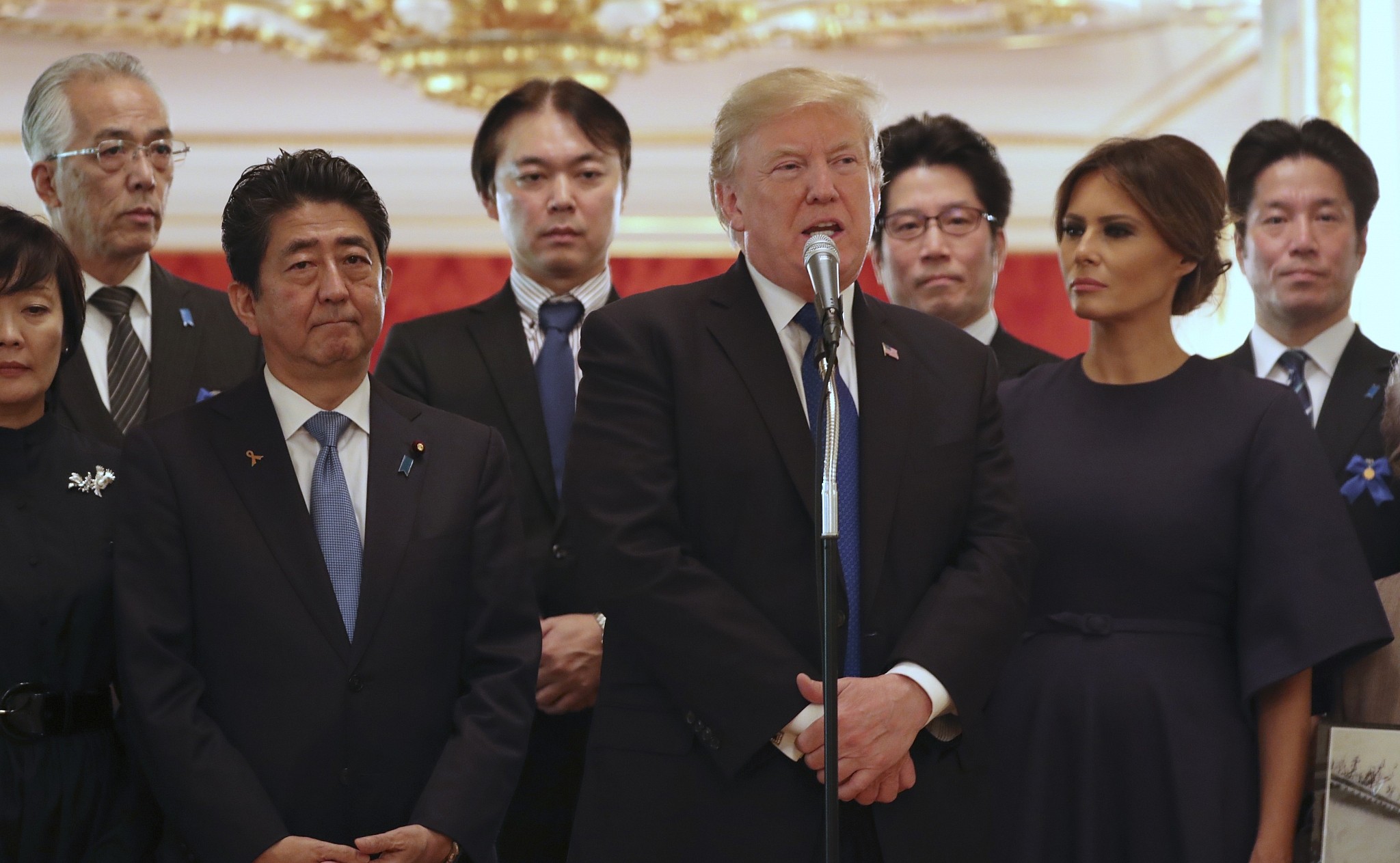
In a notable heightening of international trade disputes, the U.S. administration has declared the implementation of 25% duties on numerous imports from two major allies: South Korea and Japan. This decision, revealed by former President Donald Trump during his continuing campaign efforts, signifies a new phase in the intricate trade connections between Washington and two of its most vital economic collaborators in Asia.
The statement has triggered immediate responses from financial markets, government officials, and business executives across both sides of the Pacific Ocean. The fresh tariffs are anticipated to affect a wide array of products, such as vehicles, electronic devices, steel, and machinery—industries that have historically been key to the export-focused economies of South Korea and Japan.
Former President Trump framed the decision as a necessary step to protect American industries and workers from what he described as unfair trade practices. Speaking at a rally, he emphasized that both South Korea and Japan have benefited disproportionately from favorable trade terms with the United States for decades, and that it was time for American leadership to “level the playing field.”
The rationale behind the tariffs draws from longstanding grievances regarding trade deficits, intellectual property concerns, and perceived imbalances in market access. Trump argued that American manufacturers, particularly in the automotive and technology sectors, have been disadvantaged by what he called “manipulated markets” and “unfair subsidies” granted to foreign competitors.
The new 25% tariffs come at a time when the global economy is facing heightened uncertainty due to inflationary pressures, supply chain disruptions, and geopolitical instability. Analysts warn that this latest round of tariffs could have far-reaching consequences, not only for bilateral relations but also for global supply chains and consumer prices.
South Korea and Japan, both of which are among the United States’ top trading partners, responded with concern. Government officials in Seoul and Tokyo issued statements expressing regret over the decision, while signaling their readiness to engage in diplomatic discussions to seek resolution. Both nations highlighted the importance of open trade and mutual cooperation, especially given the shared security interests in the Indo-Pacific region.
Economic experts point out that imposing tariffs on allies is an unusual move that could strain diplomatic relationships. Historically, the United States has reserved such measures for strategic competitors or countries with whom it has deep-rooted trade disputes. Applying similar actions to longstanding allies raises questions about the future direction of U.S. trade policy and its potential impact on international alliances.
The decision is also seen as part of Trump’s broader political strategy. Throughout his presidency and subsequent campaigns, he has positioned himself as a champion of American manufacturing and a critic of globalization. By targeting imports from key Asian economies, Trump appeals to a segment of the electorate that feels left behind by global trade shifts, particularly in regions of the U.S. where manufacturing jobs have declined.
Nonetheless, opponents of the decision claim that implementing tariffs might have adverse effects, possibly impacting American buyers and sectors dependent on imported products and materials. Experts caution that raising tariffs usually results in increased expenses for companies, which are subsequently transferred to consumers as higher prices for vehicles, electronics, and home products. Furthermore, supply chains, already pressured by disruptions related to the pandemic, could encounter additional challenges as businesses rush to adapt to fresh trade restrictions.
Automotive manufacturers are likely to be among the hardest hit. Both South Korea and Japan are major exporters of automobiles and auto parts to the United States. Companies such as Hyundai, Toyota, Honda, and Nissan have significant market shares in the U.S., and the new tariffs could lead to price hikes for consumers or force companies to rethink their production and supply chain strategies.
The tech industry might also experience the repercussions. South Korea, where international technology leaders such as Samsung and LG are based, sends electronics worth billions of dollars to the United States annually. In a similar manner, Japanese technology companies have a significant impact on the global electronics market, providing items from semiconductors to sophisticated manufacturing tools. The introduction of new tariffs could interfere with these vital supply chains, affecting both businesses and consumers around the globe.
From a geopolitical standpoint, the choice has sparked worries regarding its potential impact on the power dynamics in Asia. Japan and South Korea remain crucial strategic partners for the United States within the area, especially in opposing China’s sway and ensuring stability on the Korean Peninsula. Tensions over trade might hinder collaborative endeavors in security, defense, and diplomatic relations.
There is also speculation about how other major economies will react. The European Union, China, and other trade partners will be watching closely to see whether this move signals a broader shift toward protectionism or whether it remains an isolated instance. If retaliatory tariffs emerge, the risk of a global trade conflict could grow, adding further strain to an already fragile world economy.
In the domestic political arena, reactions to the tariffs have been mixed. Some lawmakers have praised the decision as a bold move to defend American industry and address trade imbalances. Others, including members of both major parties, have warned that escalating trade barriers could hurt American workers, increase costs for consumers, and damage international relationships at a time when unity is essential.
Businesses in the United States have voiced their worries as well. Associations representing producers, retailers, and tech companies have appealed to the government to reevaluate the tariffs, emphasizing the intertwined aspect of global trade. Numerous companies function within intricate global supply chains where parts move across several borders before being fully assembled, rendering them especially susceptible to interruptions from abrupt policy shifts.
In response to the tariffs, there is growing discussion in both Japan and South Korea about exploring alternative markets and strengthening regional trade partnerships. This could include deepening ties within Asia through agreements such as the Regional Comprehensive Economic Partnership (RCEP) or seeking closer trade relations with the European Union and other major economies.
The resolution additionally underscores the necessity of refocusing on global trade accords. Certain analysts suggest that, instead of implementing one-sided tariffs, the United States might obtain more favorable outcomes by engaging in collaborative discussions with allies and joining extensive trade structures. They propose that re-entering regional trade agreements could enhance U.S. authority in Asia, resolving trade issues via diplomatic means rather than conflict.
Looking forward, the conditions continue to change. South Korea and Japan are anticipated to engage in discussions with U.S. representatives, aiming to reach a settlement that prevents a complete trade confrontation. Concurrently, internal political demands in the United States might encourage the ongoing application of tariffs to send political messages and gain economic advantage.
The wider impact of this choice goes beyond just financial matters. The declaration underscores the intricate balance between national priorities, worldwide economic interactions, and the importance of leadership in handling multifaceted international connections. Whether the fresh tariffs fulfill their desired goals or result in unforeseen outcomes will probably influence trade policy debates for many years ahead.
In the immediate future, companies, shoppers, and administrations will have to adjust to the new circumstances brought on by this policy change. There might be alterations in supply chains, fluctuations in pricing, and a probable increase in diplomatic activities. Ordinary buyers might experience changes in the price of cars, electronic gadgets, and home products—potentially rising due to elevated import tariffs.
In the end, opting to enforce 25% tariffs on goods from South Korea and Japan signifies more than a mere trade conflict—it’s indicative of the intricate blend of economics, politics, and international strategy in a world where economic and security concerns are becoming more interconnected.